
Netflix’s documentary Return of the King: The Fall & Rise of Elvis Presley delves deeply into the personal struggles and professional triumphs behind Elvis Presley’s legendary 1968 comeback.
The film captures a pivotal moment in the life of an artist who, despite his global fame, faced fear, self-doubt, and uncertainty about whether he could reclaim his artistic identity after years of being confined to formulaic Hollywood musicals.
By the mid-1960s, Elvis found himself increasingly frustrated with the trajectory of his career.
While his films were financially successful, they offered little room for him to showcase his musical talent or artistic range.
Many of these movies relied on repetitive plots and lighthearted romance, leaving Elvis creatively stifled and yearning for a return to the raw energy that had made him a sensation in the 1950s.
Elvis’s admiration for actors such as James Dean and Marlon Brando reflected his desire to convey authenticity and intensity in his own work.
He longed for the same kind of credibility in his career but feared that years of performing in formulaic films had eroded his artistic reputation.
Priscilla Presley recalled that films like Double Trouble became the subject of jokes among critics and fans, further deepening his frustration.
Beyond professional dissatisfaction, Elvis also struggled with stage fright and anxiety, questioning whether audiences still felt the same connection to him as they had during his early career.
This internal conflict drove him to seek guidance and reassurance from trusted friends, including Jerry Schilling, who played a crucial role in helping Elvis reflect on his future and chart a path forward.
Rare interviews with Schilling in the documentary reveal how seriously Elvis grappled with the possibility of fading into irrelevance, and how determined he was to regain control of his identity as an artist.
Amid this period of uncertainty, Elvis began exploring ways to reconnect with his audience and rediscover the passion that had fueled his early success.
He spent time revisiting his roots in rock and roll, blues, and gospel music, experimenting with arrangements, and rehearsing extensively to rebuild his confidence.
He also reflected on the importance of image, understanding that the visual presentation of a performer could amplify the emotional impact of a performance.
This awareness set the stage for the transformative moment of NBC’s 1968 Comeback Special, officially titled Singer Presents…Elvis.
The special was a dramatic turning point.
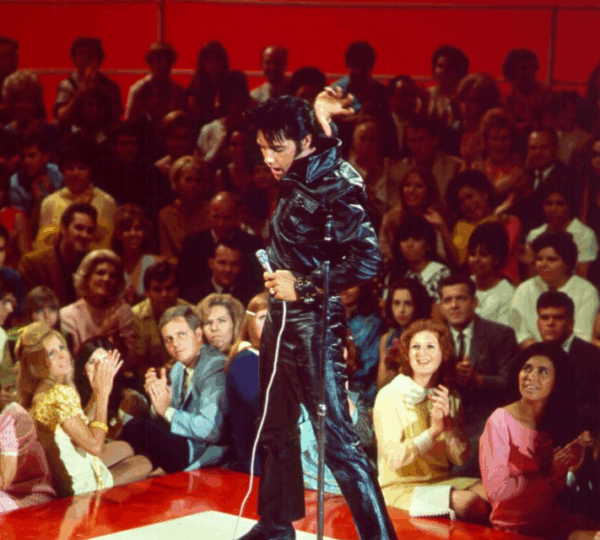
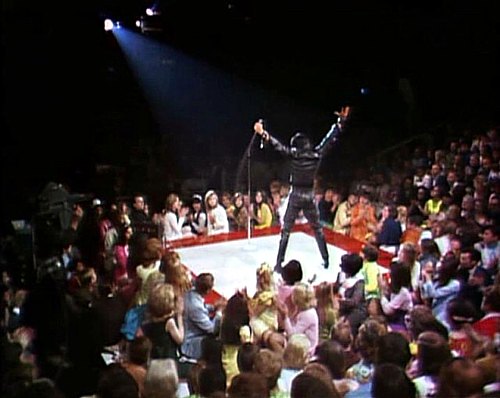
Backstage, Elvis battled nerves and the weight of expectations, but once the cameras began rolling, he delivered a performance that was electrifying, raw, and emotionally resonant.
The energy he brought to the stage reminded viewers of the performer who had revolutionized music a decade earlier.
His wardrobe played a critical role in this transformation.
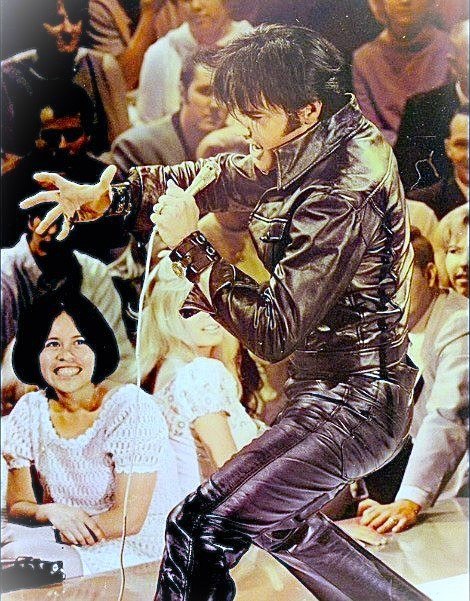
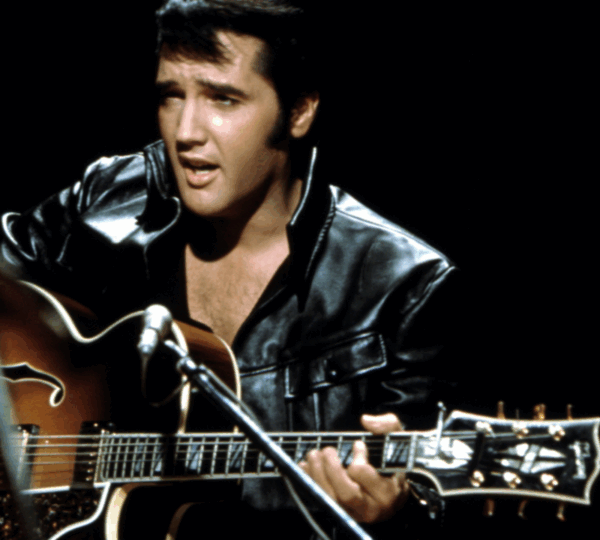
The iconic black leather outfit, designed by Bill Belew and inspired by Marlon Brando’s The Wild One, became a visual symbol of rebirth and artistic liberation.
Paired with silk shirts, scarves, and carefully styled hair, the ensemble signaled that Elvis was reclaiming his creative authority and personal identity, projecting an image of strength, sophistication, and authenticity.
The special showcased the full breadth of Elvis’s musical abilities.
He performed intimate solo numbers, collaborated with his band and backup singers, and delivered high-energy ensemble pieces that reminded audiences of the dynamic stage presence that had made him a global icon.
Songs such as “If I Can Dream” and “Trouble” highlighted his emotional depth, demonstrating his ability to convey profound feeling through voice, gesture, and expression.
These performances reestablished him as not just a singer, but as a commanding entertainer capable of holding the attention of audiences both live and on-screen.
Beyond the immediate impact of the special, the 1968 comeback signaled a larger transformation in Elvis’s career.
It reasserted his credibility as a performer, revitalized his public image, and set the stage for a renewed period of artistic exploration.
Following the special, Elvis returned to touring and recording with renewed vigor, embracing more complex musical arrangements and a wider variety of genres while remaining true to his roots in rock and roll, blues, and gospel.
The documentary emphasizes that this resurgence was not simply about one television performance; it was a deliberate, hard-won reclamation of identity, talent, and purpose.
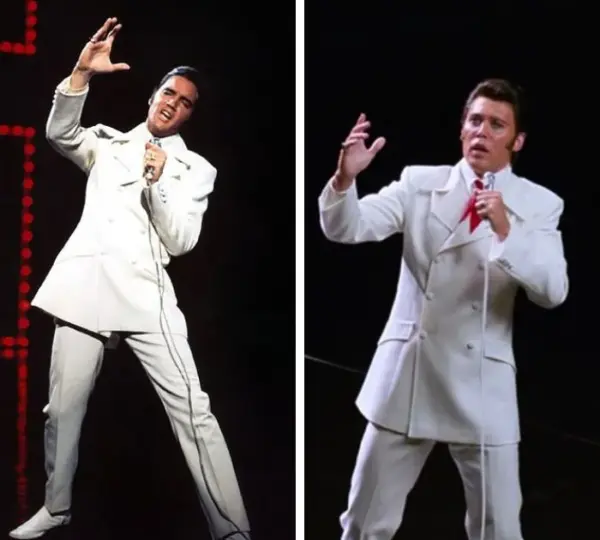
The film also explores the broader cultural and musical context of the 1960s, a time when rock and roll was evolving rapidly and new artists were reshaping the music landscape.
Elvis’s comeback was significant not only for his personal journey but also for the statement it made about the endurance of artistry in the face of changing trends.
By confronting public perception, industry expectations, and his own fears, he demonstrated resilience, creativity, and the importance of authenticity.
Return of the King offers a comprehensive look at the obstacles Elvis overcame—personal, professional, and artistic.
It highlights the courage it took to reinvent himself, the careful preparation behind his performances, and the enduring legacy of his artistic revival.
The documentary shows that the 1968 Comeback Special was more than just a television event;
it was a cultural milestone that reminded the world of Elvis Presley’s extraordinary talent, stage presence, and ability to inspire generations of fans and musicians alike.
Netflix’s documentary Return of the King: The Fall & Rise of Elvis Presley delves deeply into the personal struggles and professional triumphs behind Elvis Presley’s legendary 1968 comeback.
The film captures a pivotal moment in the life of an artist who, despite his global fame, faced fear, self-doubt, and uncertainty about whether he could reclaim his artistic identity after years of being confined to formulaic Hollywood musicals.
By the mid-1960s, Elvis found himself increasingly frustrated with the trajectory of his career.
While his films were financially successful, they offered little room for him to showcase his musical talent or artistic range.
Many of these movies relied on repetitive plots and lighthearted romance, leaving Elvis creatively stifled and yearning for a return to the raw energy that had made him a sensation in the 1950s.
Elvis’s admiration for actors such as James Dean and Marlon Brando reflected his desire to convey authenticity and intensity in his own work.
He longed for the same kind of credibility in his career but feared that years of performing in formulaic films had eroded his artistic reputation.
Priscilla Presley recalled that films like Double Trouble became the subject of jokes among critics and fans, further deepening his frustration.
Beyond professional dissatisfaction, Elvis also struggled with stage fright and anxiety, questioning whether audiences still felt the same connection to him as they had during his early career.
This internal conflict drove him to seek guidance and reassurance from trusted friends, including Jerry Schilling, who played a crucial role in helping Elvis reflect on his future and chart a path forward.
Rare interviews with Schilling in the documentary reveal how seriously Elvis grappled with the possibility of fading into irrelevance, and how determined he was to regain control of his identity as an artist.
Amid this period of uncertainty, Elvis began exploring ways to reconnect with his audience and rediscover the passion that had fueled his early success.
He spent time revisiting his roots in rock and roll, blues, and gospel music, experimenting with arrangements, and rehearsing extensively to rebuild his confidence.
He also reflected on the importance of image, understanding that the visual presentation of a performer could amplify the emotional impact of a performance.
This awareness set the stage for the transformative moment of NBC’s 1968 Comeback Special, officially titled Singer Presents…Elvis.
The special was a dramatic turning point.
Backstage, Elvis battled nerves and the weight of expectations, but once the cameras began rolling, he delivered a performance that was electrifying, raw, and emotionally resonant.
The energy he brought to the stage reminded viewers of the performer who had revolutionized music a decade earlier.
His wardrobe played a critical role in this transformation.
The iconic black leather outfit, designed by Bill Belew and inspired by Marlon Brando’s The Wild One, became a visual symbol of rebirth and artistic liberation.
Paired with silk shirts, scarves, and carefully styled hair, the ensemble signaled that Elvis was reclaiming his creative authority and personal identity, projecting an image of strength, sophistication, and authenticity.
The special showcased the full breadth of Elvis’s musical abilities.
He performed intimate solo numbers, collaborated with his band and backup singers, and delivered high-energy ensemble pieces that reminded audiences of the dynamic stage presence that had made him a global icon.
Songs such as “If I Can Dream” and “Trouble” highlighted his emotional depth, demonstrating his ability to convey profound feeling through voice, gesture, and expression.
These performances reestablished him as not just a singer, but as a commanding entertainer capable of holding the attention of audiences both live and on-screen.
Beyond the immediate impact of the special, the 1968 comeback signaled a larger transformation in Elvis’s career.
It reasserted his credibility as a performer, revitalized his public image, and set the stage for a renewed period of artistic exploration.
Following the special, Elvis returned to touring and recording with renewed vigor, embracing more complex musical arrangements and a wider variety of genres while remaining true to his roots in rock and roll, blues, and gospel.
The documentary emphasizes that this resurgence was not simply about one television performance; it was a deliberate, hard-won reclamation of identity, talent, and purpose.
The film also explores the broader cultural and musical context of the 1960s, a time when rock and roll was evolving rapidly and new artists were reshaping the music landscape.
Elvis’s comeback was significant not only for his personal journey but also for the statement it made about the endurance of artistry in the face of changing trends.
By confronting public perception, industry expectations, and his own fears, he demonstrated resilience, creativity, and the importance of authenticity.
Return of the King offers a comprehensive look at the obstacles Elvis overcame—personal, professional, and artistic.
It highlights the courage it took to reinvent himself, the careful preparation behind his performances, and the enduring legacy of his artistic revival.
The documentary shows that the 1968 Comeback Special was more than just a television event;
it was a cultural milestone that reminded the world of Elvis Presley’s extraordinary talent, stage presence, and ability to inspire generations of fans and musicians alike.