
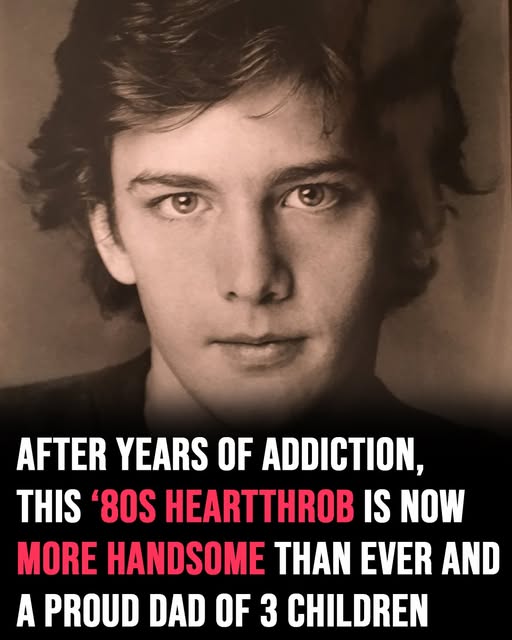
He was the boy every girl swooned over and every teen idolized in the ’80s — the kind of face that seemed destined for posters, lunch‑boxes, and magazine covers.
With tousled dark hair, a disarming smile, and a quiet charm, Andrew McCarthy embodied the quintessential dream‑boat teen heartthrob who made awkward high-school crushes feel intensely personal.
He wasn’t just another pretty face; he carried a subtle, introspective charisma that set him apart from his peers, a softness that drew audiences in and made him relatable even amidst Hollywood glitz.
Yet behind the perfectly polished images and the heartthrob persona, a far more complex and darker story was unfolding — one that few, if any, could have predicted.

Early Life and the Seeds of Ambition
Born on November 29, 1962, in Westfield, New Jersey, Andrew McCarthy was the third of four boys in a working-class family far removed from the trappings of fame.
His mother, devoted and pragmatic, worked at a local newspaper, while his father managed investments and stocks.
Life was structured and ordinary, far from the world of red carpets and movie premieres that would later define him.
Despite the normalcy of his upbringing, Andrew discovered early on that he had a deep passion for performance.
He often described himself as introspective and sometimes awkward in social situations, but when on stage, he found a sense of purpose and confidence he otherwise lacked.
He enrolled at New York University to study acting, seeking to cultivate his craft formally.
However, Andrew struggled with the rigors of academic discipline and was ultimately expelled after two years.
He later admitted that skipping classes and a general lack of interest in structured learning had led to his dismissal.
Breaking into Hollywood
Shortly after leaving NYU, Andrew took a bold step that would change the trajectory of his life.
He responded to an open casting call advertised in a newspaper for the 1983 film Class.
Competing against hundreds of hopefuls, he landed the role of Jonathan — a character who finds himself in an unusual romantic entanglement with his prep-school roommate’s mother, played by Jacqueline Bisset.
The role was both challenging and provocative for a young actor fresh out of school, yet it launched him into the public eye almost overnight.
This early taste of fame was intoxicating and bewildering.
McCarthy recalled that one week he was a college student, the next he was working alongside a Hollywood star, living out experiences he had never imagined.
He was propelled from obscurity into a world of glamour, where appearances and public perception often overshadowed reality.
By 1985, Andrew had firmly established himself as a rising star with St. Elmo’s Fire.
Despite receiving mixed reviews from critics, the film was a commercial success and showcased his natural ability to convey depth and vulnerability onscreen.
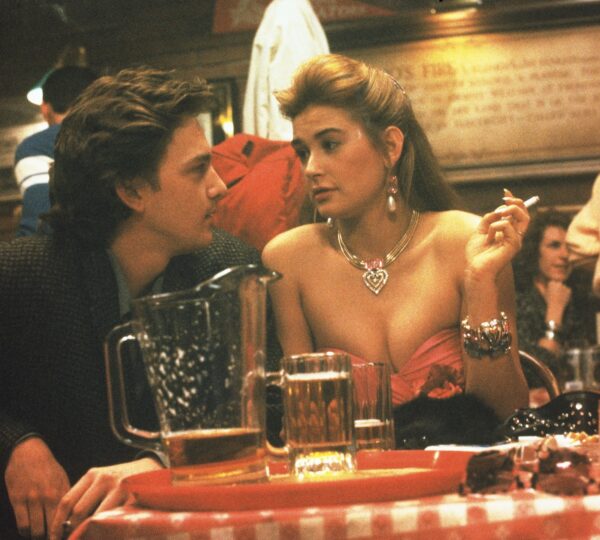
He became associated with a group of young actors famously dubbed the “Brat Pack,” including Rob Lowe, Emilio Estevez, Judd Nelson, and Demi Moore.
Although the label brought notoriety and attention, McCarthy later reflected that the tag often felt confining and reductive, failing to recognize the seriousness with which he approached his craft.
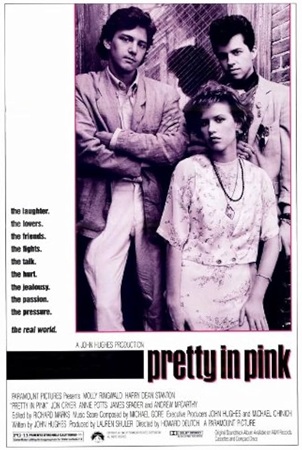
Follow-up roles in iconic films such as Pretty in Pink (1986), Mannequin (1987), and Weekend at Bernie’s (1989) solidified his status as a teen heartthrob.
In Pretty in Pink, his understated charm and sensitive presence offered a counterbalance to the often exaggerated melodrama of teen cinema, earning him lasting admiration from audiences and critics alike.
The Hidden Struggle: Fame and Addiction
Beneath the glamour, Andrew faced a private battle that would define much of his early adulthood.
In interviews and his memoir Brat: An ’80s Story, he candidly revealed a struggle with alcoholism that had begun long before his rise to fame.
Initially, alcohol served as a tool to manage social anxiety and self-doubt.
It provided “Dutch courage,” allowing him to feel confident, attractive, and in control — attributes he otherwise rarely experienced.
However, reliance on alcohol quickly became dangerous.
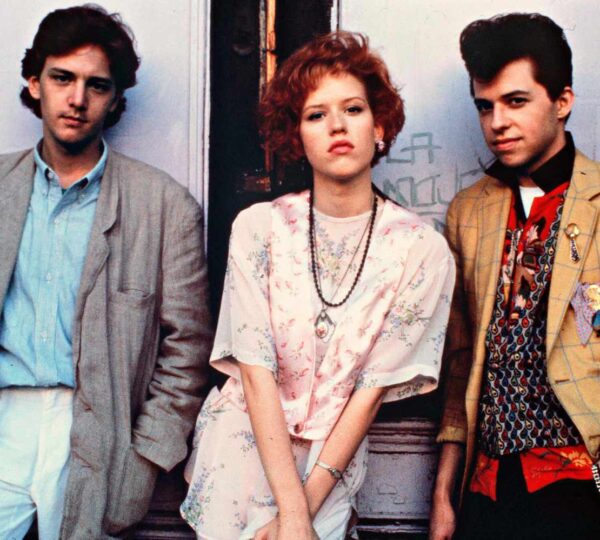
McCarthy recounted times when he was visibly hungover during shoots, even in films such as Pretty in Pink, where he portrayed a character known for sensitivity and composure.
On the outside, he appeared calm and charming; inside, he was battling hangovers, anxiety, and the pressures of early stardom.
He also experimented briefly with cocaine in the 1980s, primarily to enhance social situations, though he avoided drug use on set, recognizing that his anxiety alone was often overwhelming.
By his late 20s, Andrew had reached a tipping point.
His substance use, combined with professional and personal pressures, created a life fraught with chaos and vulnerability.
In 1992, at age 29, he made the pivotal decision to check into a detoxification program, beginning a lifelong commitment to sobriety.
This turning point allowed him to confront the patterns that had threatened both his career and his personal well-being.
Reinvention: Directing, Writing, and Exploring the World
Sobriety marked the beginning of a new chapter for McCarthy.
No longer defined solely by his teenage fame, he began to expand his career into directing and writing, finding ways to tell stories both in front of and behind the camera.

As a director, he contributed to acclaimed television series such as Orange Is the New Black, Gossip Girl, and others, bringing a sensitive and actor-focused approach to storytelling.
Simultaneously, he cultivated a successful career in travel journalism, serving as editor-at-large for National Geographic Traveler and writing for outlets including The New York Times and The Wall Street Journal.
He has also authored multiple books, including the memoir Brat: An ’80s Story, the travel memoir The Longest Way Home, and the young-adult novel Just Fly Away.
McCarthy has described these pursuits as natural extensions of his artistic expression.
Whether acting, directing, writing, or traveling, he views each as a form of storytelling — a means to explore the human experience and connect with the world in a meaningful way.
Travel, in particular, has provided him with renewed perspective, vulnerability, and presence, qualities that fame alone could never offer.
Personal Life and Legacy
Andrew McCarthy’s personal life has been marked by both love and transformation.
He has three children: actor Sam McCarthy, from his first marriage to Carol Schneider, and two children with his current wife, Irish writer and director Dolores Rice.
Despite the public nature of his early career, Andrew has maintained a grounded, private life, focusing on family, creative endeavors, and personal growth.
Reflecting on his career, McCarthy expresses ambivalence toward nostalgia.
While he acknowledges the enduring cultural impact of his ’80s films, he remains focused on the present, prioritizing his work, family, and ongoing exploration of the world.
Today, Andrew McCarthy is celebrated not only for his contributions to film and television but also for the honesty with which he has shared his journey — from teen heartthrob to someone who faced addiction, overcame it, and redefined his life on his own terms.
His story serves as both a cautionary tale about the pressures of fame and an inspiring example of resilience, reinvention, and creative evolution.
Lasting Impact
While millions still remember him as the boy from St. Elmo’s Fire or Pretty in Pink, McCarthy’s life reflects far more than teen idol fame.
He is a testament to the power of self-awareness, perseverance, and the ability to embrace new creative paths even after early success and intense personal struggles.
His work behind the camera, in print, and in travel journalism continues to inspire a new generation, proving that the boy everyone swooned over in the ’80s grew into a thoughtful, accomplished, and multidimensional artist.
He was the boy every girl swooned over and every teen idolized in the ’80s — the kind of face that seemed destined for posters, lunch‑boxes, and magazine covers.
With tousled dark hair, a disarming smile, and a quiet charm, Andrew McCarthy embodied the quintessential dream‑boat teen heartthrob who made awkward high-school crushes feel intensely personal.
He wasn’t just another pretty face; he carried a subtle, introspective charisma that set him apart from his peers, a softness that drew audiences in and made him relatable even amidst Hollywood glitz.
Yet behind the perfectly polished images and the heartthrob persona, a far more complex and darker story was unfolding — one that few, if any, could have predicted.
Early Life and the Seeds of Ambition
Born on November 29, 1962, in Westfield, New Jersey, Andrew McCarthy was the third of four boys in a working-class family far removed from the trappings of fame.
His mother, devoted and pragmatic, worked at a local newspaper, while his father managed investments and stocks.
Life was structured and ordinary, far from the world of red carpets and movie premieres that would later define him.
Despite the normalcy of his upbringing, Andrew discovered early on that he had a deep passion for performance.
He often described himself as introspective and sometimes awkward in social situations, but when on stage, he found a sense of purpose and confidence he otherwise lacked.
He enrolled at New York University to study acting, seeking to cultivate his craft formally.
However, Andrew struggled with the rigors of academic discipline and was ultimately expelled after two years.
He later admitted that skipping classes and a general lack of interest in structured learning had led to his dismissal.
Breaking into Hollywood
Shortly after leaving NYU, Andrew took a bold step that would change the trajectory of his life.
He responded to an open casting call advertised in a newspaper for the 1983 film Class.
Competing against hundreds of hopefuls, he landed the role of Jonathan — a character who finds himself in an unusual romantic entanglement with his prep-school roommate’s mother, played by Jacqueline Bisset.
The role was both challenging and provocative for a young actor fresh out of school, yet it launched him into the public eye almost overnight.
This early taste of fame was intoxicating and bewildering.
McCarthy recalled that one week he was a college student, the next he was working alongside a Hollywood star, living out experiences he had never imagined.
He was propelled from obscurity into a world of glamour, where appearances and public perception often overshadowed reality.
By 1985, Andrew had firmly established himself as a rising star with St. Elmo’s Fire.
Despite receiving mixed reviews from critics, the film was a commercial success and showcased his natural ability to convey depth and vulnerability onscreen.
He became associated with a group of young actors famously dubbed the “Brat Pack,” including Rob Lowe, Emilio Estevez, Judd Nelson, and Demi Moore.
Although the label brought notoriety and attention, McCarthy later reflected that the tag often felt confining and reductive, failing to recognize the seriousness with which he approached his craft.
Follow-up roles in iconic films such as Pretty in Pink (1986), Mannequin (1987), and Weekend at Bernie’s (1989) solidified his status as a teen heartthrob.
In Pretty in Pink, his understated charm and sensitive presence offered a counterbalance to the often exaggerated melodrama of teen cinema, earning him lasting admiration from audiences and critics alike.
The Hidden Struggle: Fame and Addiction
Beneath the glamour, Andrew faced a private battle that would define much of his early adulthood.
In interviews and his memoir Brat: An ’80s Story, he candidly revealed a struggle with alcoholism that had begun long before his rise to fame.
Initially, alcohol served as a tool to manage social anxiety and self-doubt.
It provided “Dutch courage,” allowing him to feel confident, attractive, and in control — attributes he otherwise rarely experienced.
However, reliance on alcohol quickly became dangerous.
McCarthy recounted times when he was visibly hungover during shoots, even in films such as Pretty in Pink, where he portrayed a character known for sensitivity and composure.
On the outside, he appeared calm and charming; inside, he was battling hangovers, anxiety, and the pressures of early stardom.
He also experimented briefly with cocaine in the 1980s, primarily to enhance social situations, though he avoided drug use on set, recognizing that his anxiety alone was often overwhelming.
By his late 20s, Andrew had reached a tipping point.
His substance use, combined with professional and personal pressures, created a life fraught with chaos and vulnerability.
In 1992, at age 29, he made the pivotal decision to check into a detoxification program, beginning a lifelong commitment to sobriety.
This turning point allowed him to confront the patterns that had threatened both his career and his personal well-being.
Reinvention: Directing, Writing, and Exploring the World
Sobriety marked the beginning of a new chapter for McCarthy.
No longer defined solely by his teenage fame, he began to expand his career into directing and writing, finding ways to tell stories both in front of and behind the camera.
As a director, he contributed to acclaimed television series such as Orange Is the New Black, Gossip Girl, and others, bringing a sensitive and actor-focused approach to storytelling.
Simultaneously, he cultivated a successful career in travel journalism, serving as editor-at-large for National Geographic Traveler and writing for outlets including The New York Times and The Wall Street Journal.
He has also authored multiple books, including the memoir Brat: An ’80s Story, the travel memoir The Longest Way Home, and the young-adult novel Just Fly Away.
McCarthy has described these pursuits as natural extensions of his artistic expression.
Whether acting, directing, writing, or traveling, he views each as a form of storytelling — a means to explore the human experience and connect with the world in a meaningful way.
Travel, in particular, has provided him with renewed perspective, vulnerability, and presence, qualities that fame alone could never offer.
Personal Life and Legacy
Andrew McCarthy’s personal life has been marked by both love and transformation.
He has three children: actor Sam McCarthy, from his first marriage to Carol Schneider, and two children with his current wife, Irish writer and director Dolores Rice.
Despite the public nature of his early career, Andrew has maintained a grounded, private life, focusing on family, creative endeavors, and personal growth.
Reflecting on his career, McCarthy expresses ambivalence toward nostalgia.
While he acknowledges the enduring cultural impact of his ’80s films, he remains focused on the present, prioritizing his work, family, and ongoing exploration of the world.
Today, Andrew McCarthy is celebrated not only for his contributions to film and television but also for the honesty with which he has shared his journey — from teen heartthrob to someone who faced addiction, overcame it, and redefined his life on his own terms.
His story serves as both a cautionary tale about the pressures of fame and an inspiring example of resilience, reinvention, and creative evolution.
Lasting Impact
While millions still remember him as the boy from St. Elmo’s Fire or Pretty in Pink, McCarthy’s life reflects far more than teen idol fame.
He is a testament to the power of self-awareness, perseverance, and the ability to embrace new creative paths even after early success and intense personal struggles.
His work behind the camera, in print, and in travel journalism continues to inspire a new generation, proving that the boy everyone swooned over in the ’80s grew into a thoughtful, accomplished, and multidimensional artist.