
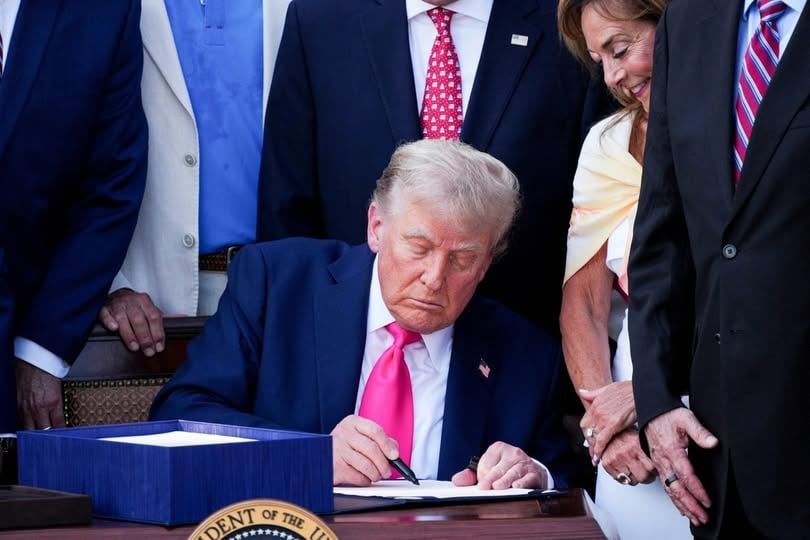
Beginning this November, the clock runs out on quiet suffering. A polished law, buried in jargon, will decide whose plates stay full and whose cupboards ring hollow. It won’t shout; it will whisper through letters, denials, and vanished dollars. Politicians will praise “efficiency.” Caseworkers will apologize. A mother will open her fridge and see only condim…
Beginning this November, a quiet law will decide who eats and who doesn’t. Benefits will shrink, rules will harden, and millions will be told to work more for less help. Supporters call it discipline. Critics call it cruelty written into policy. Somewhere in the numbers, a single mother does the math and realizes her child’s dinner just vanished with a line item.
The One Big Beautiful Bill Act arrives dressed in the language of efficiency and responsibility, but its impact will be measured in empty refrigerators, not budget tables. As eligibility narrows and work requirements climb to age 64, people already juggling unstable jobs, childcare gaps, and poor health will face impossible choices: food or rent, medicine or heat. States, handed more authority and more costs, will respond unevenly. In generous regions, families may scrape by; in others, clerical errors and rigid rules will quietly erase lifelines.