
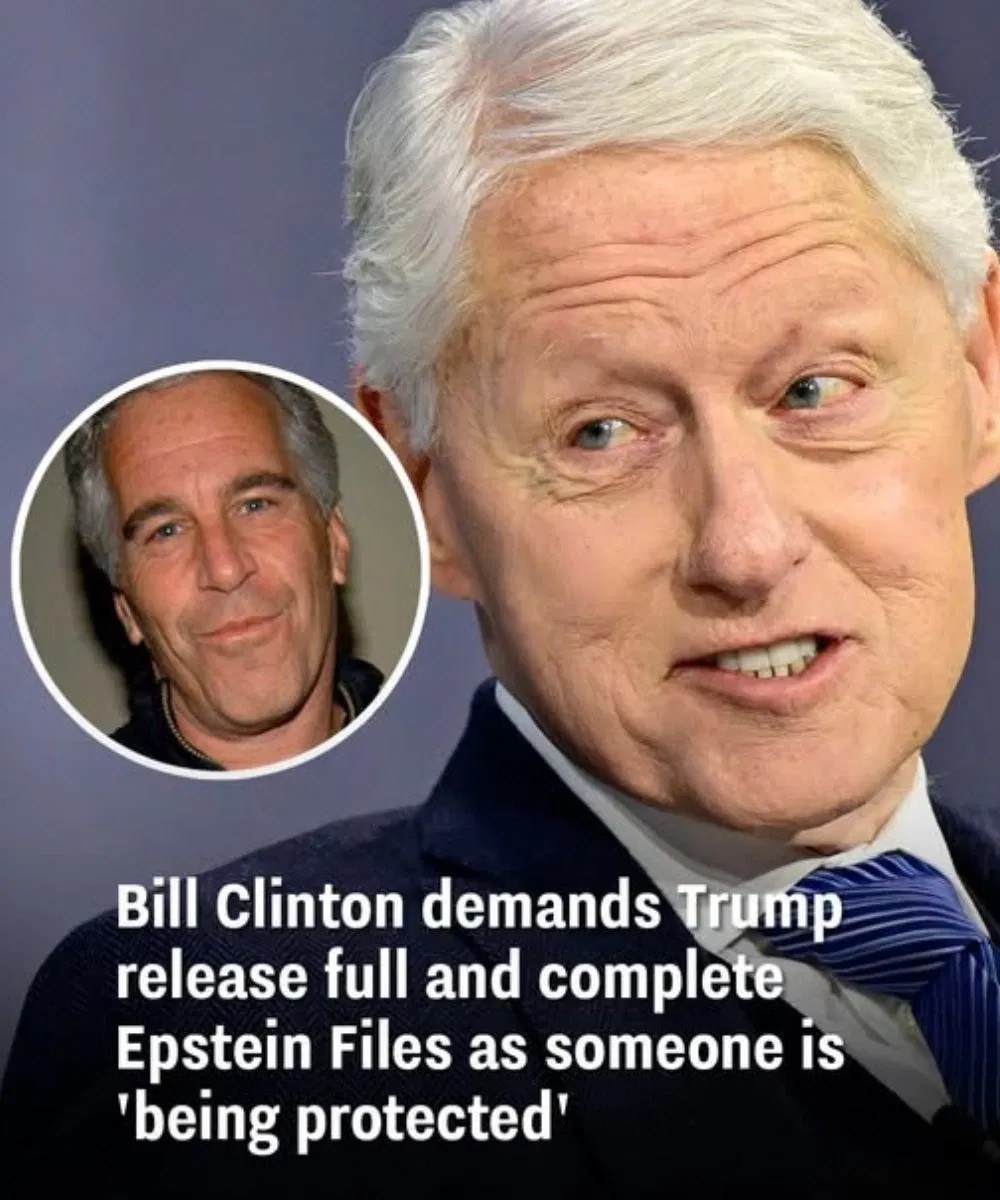
A spokesperson for Bill Clinton has called for the full, unredacted release of all federally held records related to Jeffrey Epstein, arguing that partial disclosure risks distorting public understanding rather than advancing transparency.
The request follows a recent release by the U.S. Department of Justice of a large batch of Epstein-related documents. The release, made in accordance with a statutory deadline under the Epstein Files Transparency Act, included hundreds of thousands of pages of material such as flight logs, deposition excerpts, correspondence, and photographs referencing Epstein and numerous public figures.
Clinton’s spokesperson, Angel Ureña, criticized what he described as a selective and heavily redacted disclosure process. While acknowledging the volume of material released, Ureña argued that the manner in which it was presented—often with extensive blackouts and incomplete context—undermines the stated goal of transparency.
The documents reference or depict a wide range of well-known individuals, including Clinton, Prince Andrew, and several entertainers and public figures. Federal officials emphasized that inclusion in the files does not imply criminal conduct and that no person named or pictured has been charged solely on the basis of appearing in the records.
Ureña nonetheless expressed concern that selective emphasis—particularly the prominence of decades-old photographs showing Clinton with Epstein and Ghislaine Maxwell—creates misleading impressions. Clinton has never been charged with or accused of wrongdoing in connection with Epstein, and multiple investigations under both Democratic and Republican administrations have not found evidence warranting charges against him.
According to Ureña, partial disclosure invites speculation rather than clarity. He argued that extensive redactions raise legitimate questions about whether other individuals or investigative findings remain shielded from public view. “Full transparency,” he said, “means releasing the complete record, not fragments that can be taken out of context.”
The Epstein Files Transparency Act was intended to limit prolonged secrecy around federal records related to Epstein’s activities, while still allowing redactions for narrowly defined reasons such as protecting victims’ privacy or active investigations. Clinton’s team contends that the current release falls short of that standard and has urged the administration to disclose any remaining responsive documents.
Public reaction to the release has been swift and polarized, with renewed debate over accountability, reputational harm, and the role of government discretion in managing sensitive information. Media coverage has similarly focused on the tension between public interest and selective disclosure.
At its core, the request from Clinton’s representatives is not framed as a defense against investigation, but as a demand for consistency. Ureña maintains that transparency cannot be partial without risking distortion, and that public trust depends on access to the full factual record.
As scrutiny of Epstein’s network continues, the debate underscores a broader challenge for democratic institutions: how to balance transparency, privacy, and fairness in cases involving profound public interest. Whether additional disclosures follow may shape not only public perception of this case, but confidence in how justice and transparency are administered more broadly.