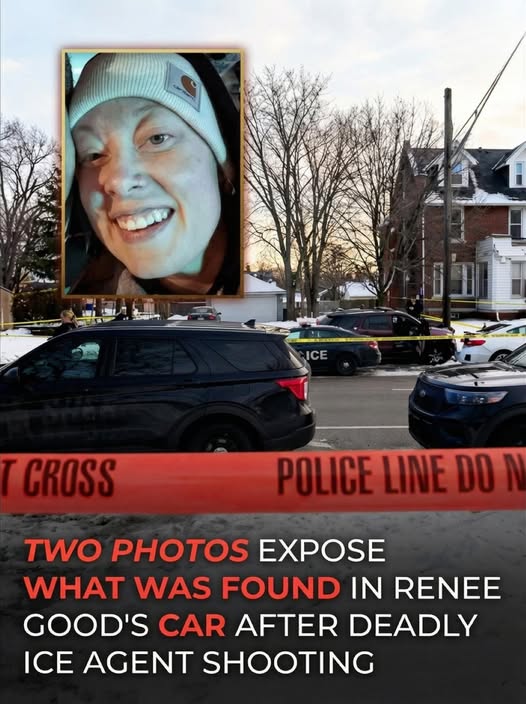
Those who knew Renee Nicole Good described her as someone who looked out for others. A neighbor, a parent, and a familiar face in her Minneapolis community, she was known for small, steady acts of care rather than public attention. That is why the events of January 7, 2026, have left her neighborhood shaken. What unfolded just blocks from her home has sparked national debate, but for those closest to her, the focus remains on a life lost far too soon and the quiet absence left behind.
Renee was 37 years old, a mother of three children, and a creative soul who loved writing, music, and family life. She studied creative writing in college, earned recognition for her poetry, and remained deeply connected to language and expression throughout her life. Friends and relatives remember her as gentle, thoughtful, and grounded—someone who valued faith, creativity, and raising her children with care. In recent years, she had chosen to focus primarily on motherhood, finding purpose in everyday routines and the close-knit rhythms of family life. She was not known for political involvement or public confrontation, but rather for warmth, curiosity, and compassion.
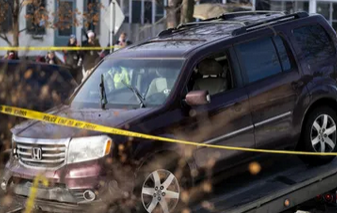
On the morning of her death, Renee had been following a familiar routine, dropping her young son off at school before heading home with her partner. Federal officers were conducting operations in the neighborhood that day, something residents had noticed due to an increased law enforcement presence near the school. Accounts of what happened next vary, and official investigations are ongoing. What is clear is that a brief, chaotic encounter ended with Renee sustaining fatal injuries after her vehicle crashed. Witnesses described confusion, fear, and shock in the immediate aftermath, as neighbors rushed to the scene and tried to comfort those affected.
In the days since, grief has spread through Renee’s family and community. Loved ones have spoken of disbelief and sorrow, struggling to reconcile the person they knew with the way her life ended. Vigils have been held, flowers laid, and memories shared—stories of school drop-offs, conversations on the sidewalk, and the quiet presence of a woman who simply belonged where she lived. While officials continue to debate circumstances and responsibility, many in the community have emphasized remembrance over rhetoric. For them, Renee’s legacy is not defined by a single moment, but by a life marked by care, creativity, and connection. Her absence is felt deeply, and her memory now lives on in the children she raised, the neighbors she knew, and the community still learning how to grieve her loss.