
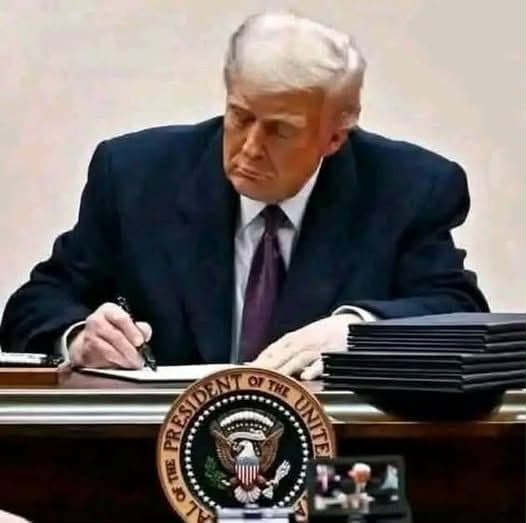
The first order looked harmless. Just a pen stroke, a podium smile, a promise that the country would finally “play to win.” Then the fine print detonated: a sovereign wealth fund buying the future, rumors of TikTok on the chopping block, and an economy rewired for aggres
What followed was not simply a change in policy, but a deliberate rewrite of the nation’s source code. The ten-for-one deregulation rule turned every new restriction into a political liability, forcing agencies to gut long-standing protections just to function. What had once taken years of hearings, studies, and public debate dissolved into a blur of rushed repeals and triumphant press conferences. Some companies soared, freed from constraints they’d long resented; others quietly panicked, realizing the guardrails they’d relied on were gone.
Exiting the Paris Climate Agreement and reviving single-use plastics pushed the message even further: stability now, consequences later. Environmental targets became abstractions, easy to postpone in the name of jobs, markets, and “winning.” In the end, the true legacy was not any one executive order, but a collective decision to trade precaution for adrenaline—and to hope the bill would come due somewhere else, some other time.