
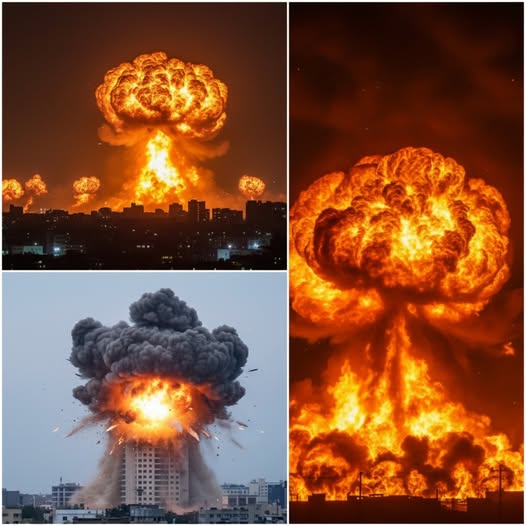
In the sprawling, vertical labyrinth of Pamplona Alta, one of Lima’s most densely populated hillside settlements, life is defined by a precarious balance between community resilience and structural vulnerability. On a Saturday that began with the typical rhythms of a vibrant neighborhood—children laughing in narrow dirt corridors, the aroma of mid-day meals wafting from open windows, and neighbors exchanging pleasantries—an unforeseen catastrophe transformed the peaceful atmosphere into a landscape of fire and ash. What started as a plume of smoke from a single dwelling rapidly evolved into a ferocious inferno, threatening hundreds of families and exposing the fragile nature of life on the slopes.
The fire erupted with a speed that defied intervention. Within minutes, the initial spark had leaped across the narrow gaps between homes, fueled by the combustible materials that characterize the local architecture. Wood, plastic, and corrugated metal acted as a conduit for the flames, allowing the fire to surge through the settlement like a living thing. Panic rippled through the hillside as families realized that their homes, built through years of incremental labor and sacrifice, were being devoured by a relentless wall of heat. The evacuation was a desperate, uphill scramble; residents fled with only their children, their elderly relatives, and the few meager possessions they could grasp in a frantic hurry.
As the smoke began to clear and investigators picked through the smoldering ruins, a troubling narrative started to emerge regarding the catalyst of the disaster. While an official determination is still pending, early reports and witness accounts suggest that the blaze was significantly amplified by the presence of an unauthorized fireworks workshop operating out of a residential home. In many informal settlements, the lack of formal economic opportunities leads to the rise of home-based businesses that involve the storage of highly flammable chemicals and explosive devices. If confirmed, this detail underscores a devastating paradox: the very activities residents engage in to survive economically can sometimes create the conditions for their destruction. The tragedy highlights the lethal combination of overcrowding, lack of industrial regulation, and the absence of basic fire safety infrastructure in Lima’s peripheries.
The logistical battle to contain the flames was a heroic, albeit harrowing, endeavor. Lima’s firefighters, renowned for their bravery and volunteer spirit, were met with almost insurmountable obstacles. The geography of Pamplona Alta is a nightmare for emergency response; steep, unpaved inclines and alleyways too narrow for fire trucks meant that crews had to park their vehicles far below and manually haul heavy hoses hundreds of meters uphill. The lack of reliable water pressure further hampered efforts, forcing a reliance on cistern trucks that struggled to navigate the rugged terrain. Despite these physical barriers, the coordination between professional firefighters and local volunteers prevented the disaster from becoming an even larger catastrophe, as they worked tirelessly to create firebreaks and protect the surrounding neighborhoods from the encroaching heat.
The scale of the loss is staggering. Preliminary assessments suggest that more than 300 houses were either partially damaged or completely leveled, leaving hundreds of people displaced and destitute. The loss, however, is not merely financial or structural. For the children of Pamplona Alta, the fire consumed the vital tools of their future—school supplies, uniforms, and textbooks were lost alongside family photos and legal documents. The emotional toll is perhaps the most profound consequence; the sense of safety and the sanctity of the home have been replaced by a pervasive anxiety and the trauma of witnessing one’s life’s work turn to smoke in a matter of minutes. In the immediate aftermath, emergency shelters were established, and humanitarian aid began to trickle in, providing the displaced with food, hygiene kits, and psychological support as they stared at the blackened skeletons of their former lives.
This disaster serves as a stark indictment of the systemic issues plaguing informal urban development. Urban planning experts point out that the Pamplona Alta fire is a symptom of a larger crisis: the rapid, unregulated expansion of cities into hazardous territories without the necessary investment in safety and infrastructure. High-density housing built from flammable materials, coupled with a lack of accessible roads and fire hydrants, ensures that a small domestic accident can balloon into a district-wide disaster. Moving forward, the recovery will require more than just rebuilding walls; it will necessitate a fundamental rethink of how these communities are integrated into the city’s safety net. Proposals for stronger safety regulations, the creation of community-led fire response units, and the provision of safer economic alternatives for residents are now being debated with renewed urgency.
Yet, amid the ruins and the smell of charred timber, a remarkable spirit of solidarity has emerged. The resilience of Pamplona Alta is not found in the strength of its buildings, but in the character of its people. In the days following the fire, neighbors who had lost everything were seen helping others clear debris. Local networks and social media groups became hubs of coordination, as donations of clothes, medicine, and building materials poured in from across Lima. This collective determination to rebuild is the community’s greatest asset. They are not merely waiting for government intervention; they are already laying the groundwork for their own recovery, brick by brick and hand by hand.
The story of the Pamplona Alta fire is a narrative of profound tragedy, but it is also one of extraordinary courage. It is a reminder of the human cost of inequality and the risks faced by millions who live in the world’s informal settlements. The fire showed the worst of what can happen when neglect and misfortune collide, but the response showed the best of the human spirit. Moving forward, the hope is that this disaster will serve as a turning point, sparking the meaningful investment and strategic planning needed to ensure that such a tragedy never repeats itself. For now, the people of the slopes remain watchful and united, proving that even when their homes are turned to ash, their sense of community remains unburnable. Their resilience is a testament to human strength, offering a glimmer of hope that from the ruins of this disaster, a safer and more secure Pamplona Alta will eventually rise.