
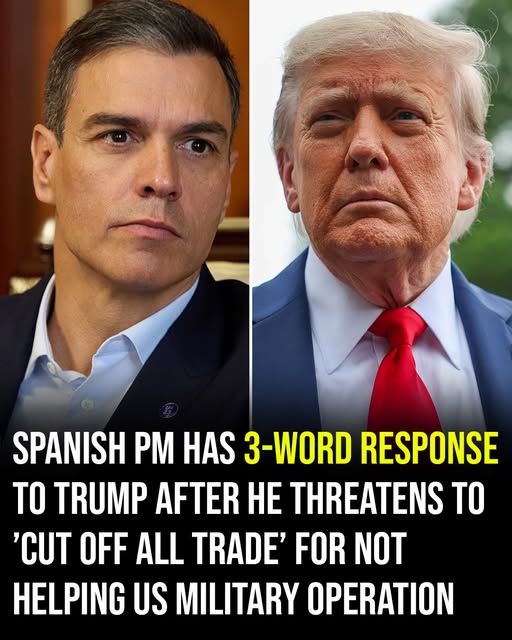
In early March 2026, tensions between the United States and Spain entered a highly unusual and public phase, centered on disagreements over the United States’ military operations in the Middle East and Spain’s sovereign decision not to allow certain wartime activities on its territory.
At the heart of the dispute are two connected issues: 1.Spain’s rejection of U.S. military use of Spanish bases for ongoing strikes on Iran.
2. U.S. President Donald Trump’s threat to impose sweeping economic measures on Spain — including cutting off trade — in response.
The situation has triggered an intense diplomatic and political dispute between two NATO allies, one that has implications for Euro‑Atlantic relations, European Union trade policy, and broader debates about military intervention in the Middle East.
Background: U.S.–Israel Military Action and Spain’s Response
The dispute arises against the backdrop of a broader and rapidly evolving conflict in the Middle East involving the United States, Israel, and Iran.
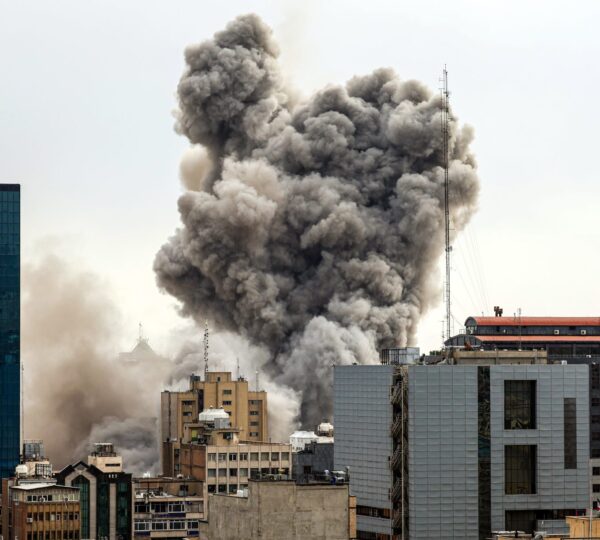
In late February 2026, the U.S. and Israel launched large‑scale military strikes against targets in Iran. Those strikes have drawn international criticism, and in several instances sparked responses from governments outside the Middle East.
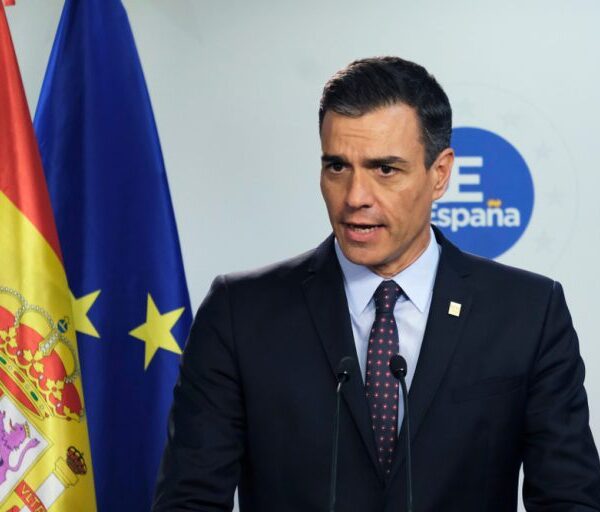
Spain’s government, led by Prime Minister Pedro Sánchez, responded to these developments with a public denunciation of the attacks on Iran and a clear statement of its own position.
Madrid described the military strikes as “unjustified and dangerous” and said they risked contributing to instability in the region.
Spanish officials emphasized that although they stand against the Iranian regime’s policies, they do not support what they describe as unilateral military action outside established international mandates.
This view is rooted in Spain’s longstanding foreign policy emphasis on multilateral diplomacy, adherence to international law, and opposition to military interventions without broad international consensus.
Spanish Decision on Use of Military Bases
Central to the crisis was Spain’s formal announcement that it would not authorize the use of its military bases for operations related to the U.S. and Israeli strikes on Iran.
The United States and Spain maintain a long‑standing defense cooperation agreement that allows U.S. forces to operate from installations such as Naval Station Rota and Morón Air Base in southern Spain.
Under that agreement, the Spanish government retains sovereignty and must approve specific military uses of the bases. Spain’s Foreign Minister José Manuel Albares clarified that Spanish bases were not used — and would not be used — for attacks on Iran that went beyond the scope of the existing bilateral agreement or the United Nations Charter.
Spain’s Defense Minister Margarita Robles reinforced this stance by emphasizing that any military operations conducted from Spanish soil must conform to international law and receive appropriate international authorization.
This decision was made in the context of widespread public debate across Europe about military intervention, with many citizens and policymakers expressing concern about involvement in a conflict that could expand beyond the Middle East.
Trump’s Public Threat to Cut Off Trade with Spain
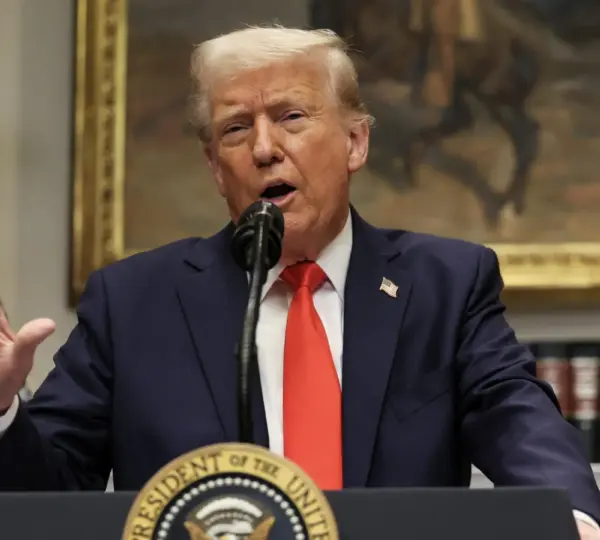
In a highly unusual and sharply worded statement on March 3, 2026, U.S. President Donald Trump publicly criticized Spain — and threatened to impose punitive economic measures — following Madrid’s refusal to support the U.S. approach to the Iran conflict.
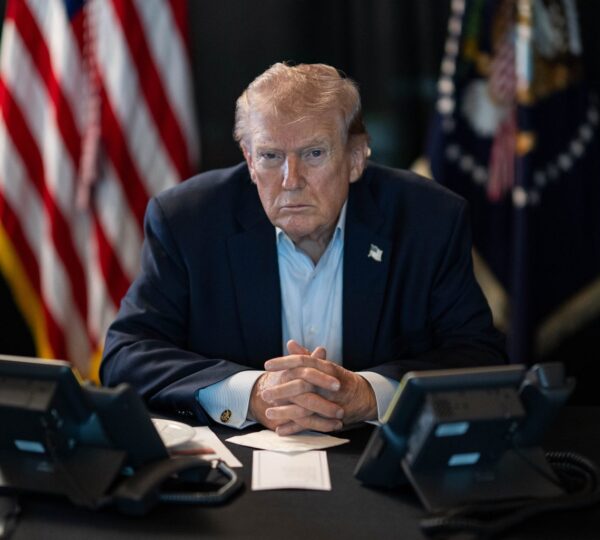
Trump was speaking at the White House alongside German Chancellor Friedrich Merz when he said that he had directed his administration to consider ending all trade with Spain, declaring that “Spain has been terrible” in its response.
Trump also claimed he had the legal authority to halt “everything having to do with Spain” — including bilateral trade — arguing that such a step would protect U.S. national and economic security.
In his remarks, he suggested that Spain’s leadership was deficient and that, in contrast, some other European allies were cooperating more fully with U.S. objectives.
The president’s comments included criticism not just of Spain but also of its stance on NATO defense spending. Trump noted Spain’s refusal to commit to higher defense spending targets — a position that Madrid has defended based on its current fiscal and strategic priorities.
Spanish Government’s Response: “No to War”
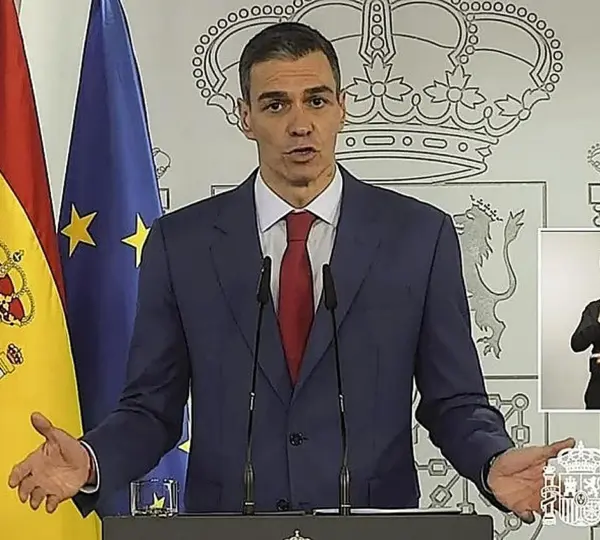
In response to Trump’s threat, Prime Minister Pedro Sánchez delivered a nationally televised address in which he firmly rejected any notion that Spain would alter its policy out of fear of economic reprisals.
He repeatedly framed Spain’s stance as a matter of principles and values, and summarized his government’s position in three clear words: “No to war.”
Sánchez stressed that Spain would not be “complicit in something that is bad for the world and is also contrary to our values and interests simply out of fear of reprisals.” He framed the dispute not as an alignment with any particular regime but as a defense of peace, international legality, and diplomatic conflict resolution.
Sánchez drew historical parallels to past conflicts, notably the U.S.‑led invasion of Iraq in 2003, warning against repeating decisions that he said led to long‑term instability and suffering.
His address underscored a broader European skepticism about military intervention without clear international backing.
Spanish officials also rejected claims — including those reported by the White House press secretary — that Spain had changed its position or agreed to cooperate in military operations.
Both the foreign minister and government spokesperson publicly contradicted such suggestions, affirming that Spain’s policy had not shifted.
European Union and International Reaction
Spain’s stance has drawn notable support from the European Union’s executive leadership. The European Commission stated that any threat against a member state’s trade relations is effectively a threat to the entire EU, and that trade policy with the United States is governed at the EU level rather than by individual member states.
The Commission emphasized its readiness to defend the bloc’s trade interests in response to any unilateral action.
In addition, several European leaders, including Emmanuel Macron of France, spoke directly with Sánchez to express solidarity with Spain and highlight European unity in the face of external pressure.
This backing reflects longstanding EU policy that trade agreements with major global partners such as the United States are negotiated collectively by Brussels on behalf of all EU member states, making unilateral trade sanctions against a single member highly complex.
Economic Significance of U.S.–Spain Trade
Despite President Trump’s threat to cut off trade, current economic data show that trade between the United States and Spain remains significant and mutually beneficial.
In 2025, Spain exported tens of billions of dollars’ worth of goods to the United States — including products such as pharmaceuticals, olive oil, and machinery — while importing a slightly higher volume of U.S. goods. This created a modest U.S. trade surplus with Spain.
Given that Spain is part of the EU — which negotiates trade deals as a bloc — any unilateral attempt to impose a trade embargo on Spain would raise complex legal questions involving international trade law, EU regulations, and the autonomy of private companies engaged in transatlantic commerce.
Officials in Madrid and Brussels have underscored that any review of trade relations must respect these frameworks.
Broader Political Implications
The dispute between the United States and Spain, though sparked by disagreements over military cooperation and the Middle East conflict, also touches on deeper geopolitical issues:
- NATO unity and defense spending commitments, including disagreements over target levels of national defense expenditure across alliance members.
- European autonomy in foreign policy, especially concerning military interventions and responses to conflicts.
- Trade policy governance within the EU, which often operates separately from the foreign policy agendas of individual European capitals.
The current tensions illustrate how divergent policy priorities — even among long‑standing allies — can escalate rapidly when connected to pressing international crises.
Conclusion: A Complex Transatlantic Dispute
Spain’s firm refusal to allow U.S. military use of its bases for operations connected to the Iran conflict, and its broader criticism of the campaign, triggered an extraordinary response from U.S. leadership, including threats to cut off trade.
Rather than retreating, Spain’s government reaffirmed its principles in a nationally broadcast address, encapsulating its position with the phrase “No to war.”
The European Union has stood behind Spain’s sovereign right to determine its own defense commitments and has reiterated that EU‑wide trade arrangements are not subject to unilateral modification by third countries.
As the dispute continues to unfold, its political, economic, and diplomatic repercussions are likely to reverberate across transatlantic relations, NATO cohesion, and global discussions about military engagement and international