

There are few names in action cinema that carry the same weight as Chuck Norris — a figure whose legacy stretches across martial arts, film, and a cultural image built on strength and discipline. His passing on March 19, 2026, at the age of 86, marks the end of a life that felt larger than the screen itself.
Born on March 10, 1940, in Ryan, Oklahoma, Norris’ early years were far from the image he would later project. He once described himself as a shy child who struggled to stand out. Behind that modest self-assessment, however, was a childhood shaped by instability. His father’s struggles with alcohol and eventual absence left his mother, Wilma, to raise three boys on her own.
The family moved frequently — 16 times before he turned 15 — before finally settling in California. Through all of it, his mother’s faith remained a constant. She instilled in him a sense of discipline and belief that would later define both his personal life and his career.
“God has a plan for you,” she would tell him — words that seemed distant at the time, but gained meaning as his life unfolded.
By the late 1950s, Norris had already stepped into adulthood. In 1958, he married his high school sweetheart, Dianne Holechek, and joined the United States Air Force. It was during his deployment to South Korea that his life began to shift in a direction that would shape everything that followed.
There, he discovered martial arts.

The discipline offered something he hadn’t yet found — focus, confidence, and a sense of control. It was also during his time in the military that the name “Chuck” came into his life, a nickname given casually during boot camp that would eventually become known around the world.
After leaving the service in 1961, Norris pursued martial arts with intensity. He earned high-ranking belts in karate and judo and began teaching, eventually building a network of more than 30 karate schools across the United States. Among his students were high-profile names like Steve McQueen and Priscilla Presley — a sign that his reputation was already spreading beyond competition circles.
His success as a fighter soon followed. In 1968, he won the World Middleweight Karate Championship, a title he defended five times. By the early 1970s, he was widely recognized as one of the most accomplished martial artists of his time.
Yet success didn’t come without setbacks.
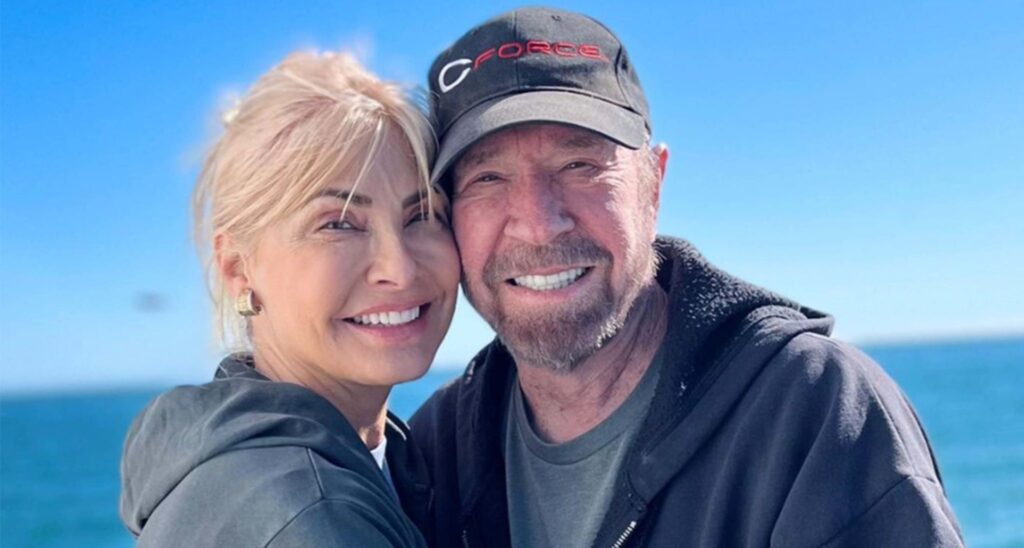
After retiring from competition in 1974, Norris faced financial difficulties when his karate business overexpanded and collapsed. He later spoke openly about losing everything and spending years rebuilding his life — a period that would ultimately push him toward a new path.
Acting.
Encouraged by Steve McQueen, he began studying the craft, often struggling against more experienced performers. At one point, he nearly gave up.
“I said ‘this isn’t going to work.’”
But instead of walking away, he chose a different route — writing his own material and creating opportunities for himself. That determination became the foundation of a career that would soon take off.
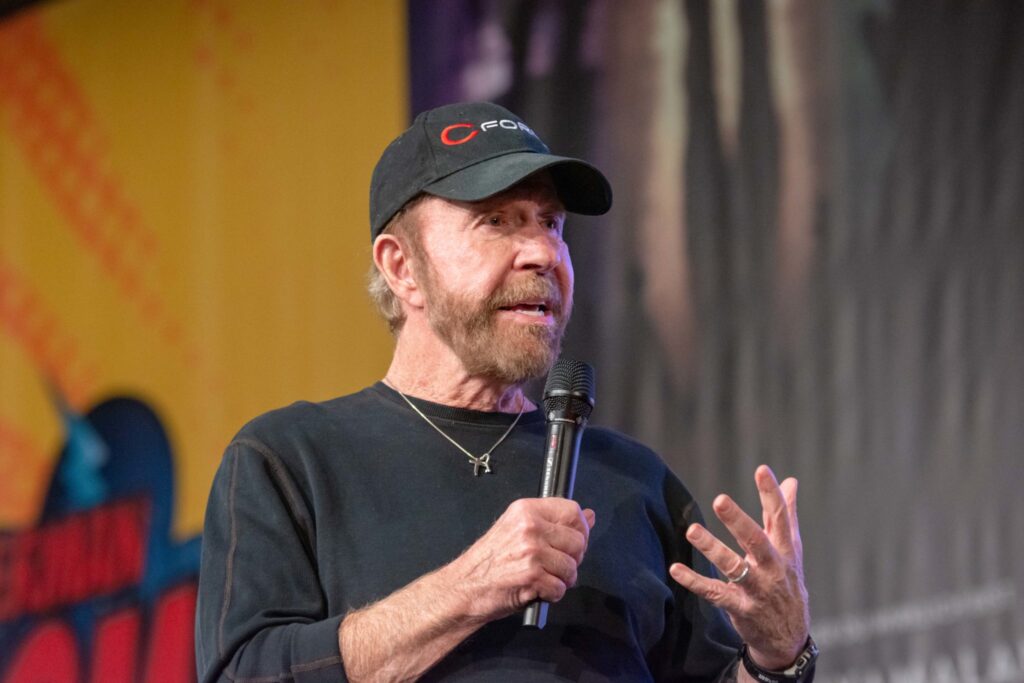
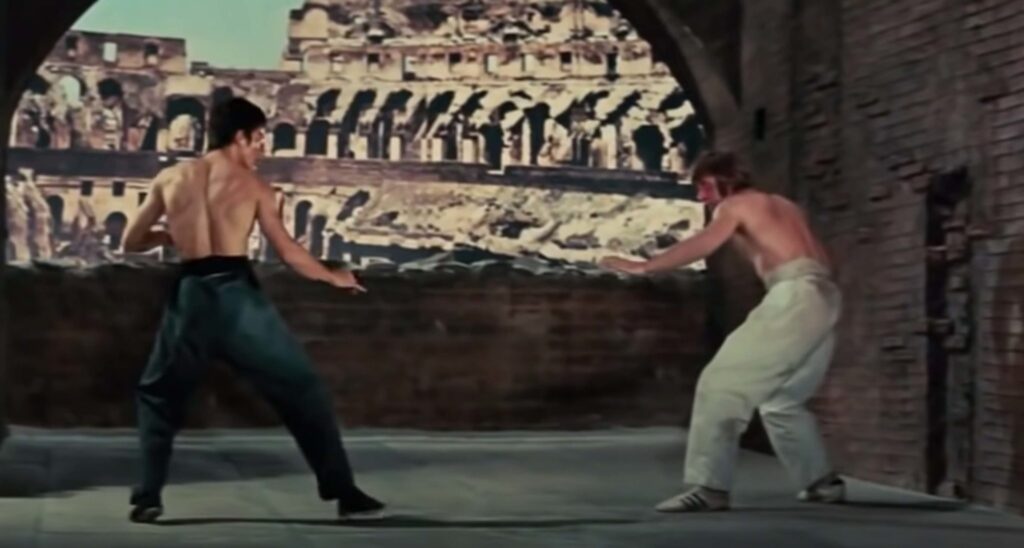
One of his earliest defining moments came in 1972, when he appeared alongside Bruce Lee in The Way of the Dragon. Their fight scene inside the Colosseum in Rome remains one of the most iconic sequences in martial arts cinema — not just for its choreography, but for the symbolic clash between two legends.
From there, Norris built a film career that spanned decades. He appeared in around 40 films, including Missing in Action (1984), Code of Silence (1985), and The Delta Force (1986). While he never chased awards, his presence defined a genre — tough, direct, and unmistakably his own.
As the 1990s approached, his film roles became less prominent. Rather than fading away, he shifted focus, building business ventures and continuing to grow his legacy. Over time, his net worth reached an estimated $70 million, reflecting both his career and entrepreneurial efforts.
But beyond fame and finances, Norris remained deeply committed to giving back. He supported organizations like the Make-A-Wish Foundation and, in 1990, founded Kickstart with the support of President George H. W. Bush.
The program used martial arts not as a tool for fighting, but for building confidence and character in young people.
“Kickstart… is a way for us to give back,” Norris explained, emphasizing its focus on guiding children toward strength without violence.
His personal life carried its own complexities. After three decades of marriage, he and Dianne divorced in 1988. Years later, he met Gena O’Kelley, whom he married in 1998. Together, they built a life centered on family, raising two children, Danielle and Dakota.
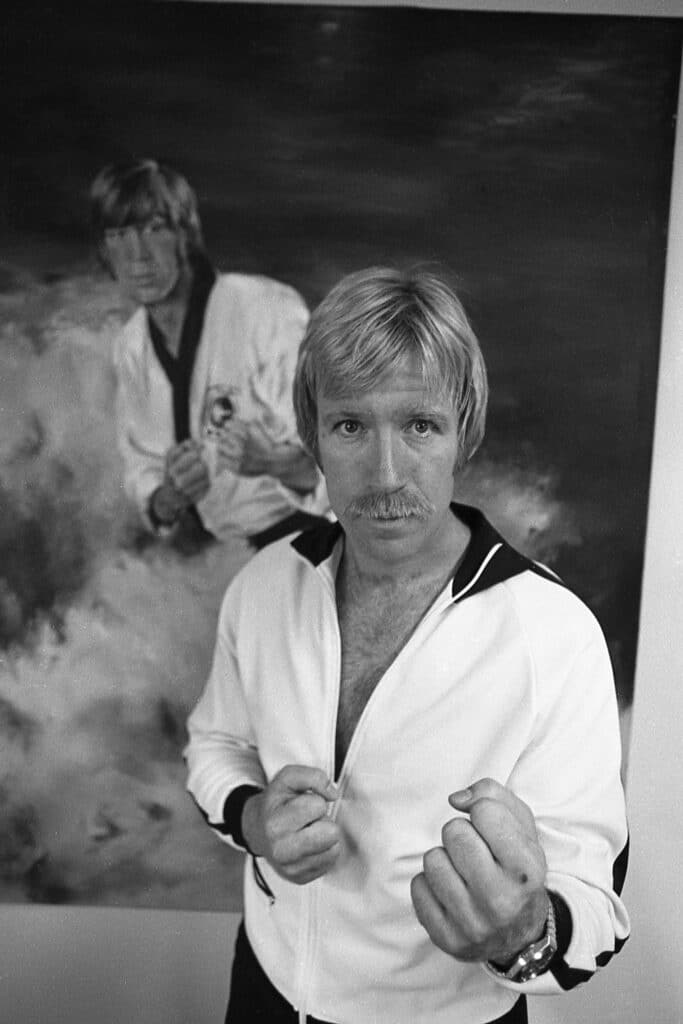
In the later years of his life, that devotion became even more visible.
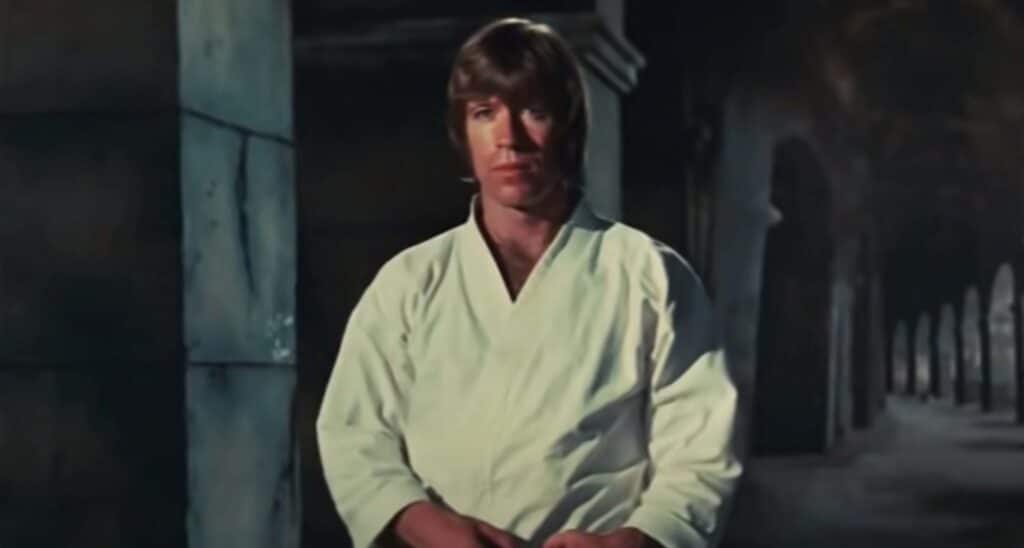
Following a severe medical ordeal experienced by his wife, Norris stepped away from his career to care for her full-time. He spoke openly about the decision, making it clear that his priorities had shifted entirely.
“I’ve given up my film career to concentrate on Gena… my whole life right now is about keeping her alive.”
It was a different kind of strength — quieter, but perhaps more defining than anything he had portrayed on screen.
In the end, Chuck Norris’ story was never just about action films or martial arts titles. It was about resilience — the ability to rebuild after loss, to evolve when circumstances change, and to remain grounded in purpose.
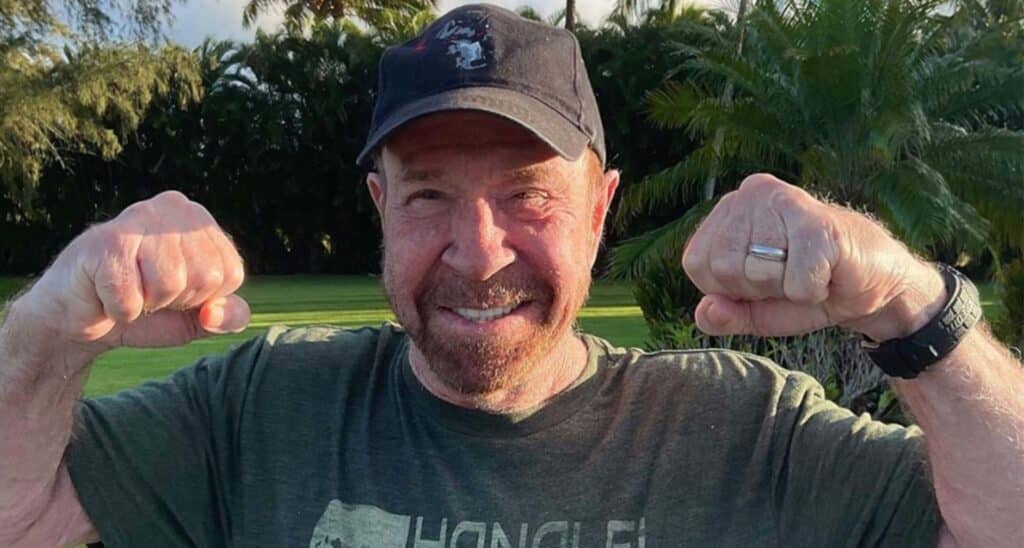
His life moved through many phases: a shy boy, a disciplined soldier, a champion fighter, a global star, and ultimately, a devoted husband and father.
And even as the legend grew, that core never seemed to change.