
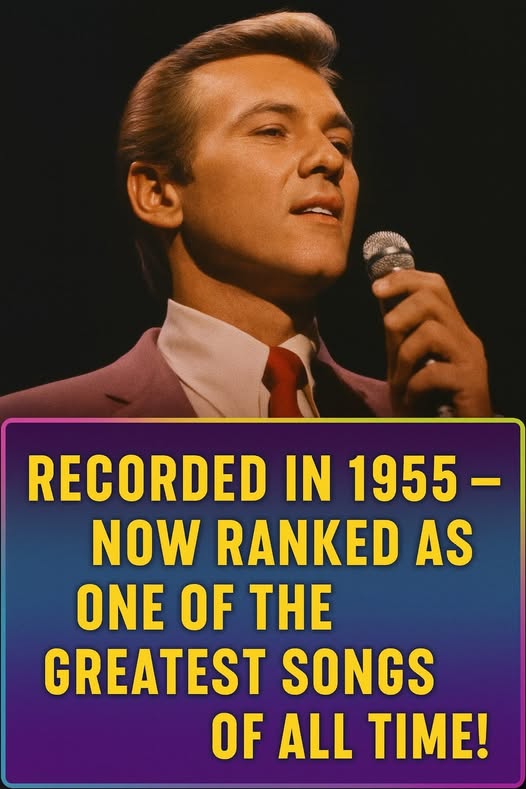
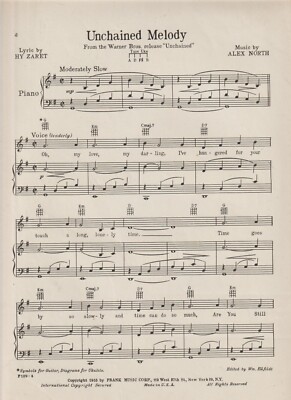
Written by composer Alex North and lyricist Hy Zaret in 1955, Unchained Melody has become one of the most celebrated and enduring songs in modern music history.
Originally written for the film Unchained, the song was intended to convey deep longing, loneliness, and romantic yearning—themes that have helped it resonate with audiences across generations and cultures.
Todd Duncan, a classically trained African-American baritone, performed the original version in the movie, lending it a solemn, heartfelt tone that reflected the song’s emotional core.
Over the decades, Unchained Melody has been covered by more than 670 artists worldwide, in dozens of languages, making it one of the most recorded songs of the 20th century.
Its adaptability has allowed it to bridge musical genres, from classical and jazz to pop and rock.
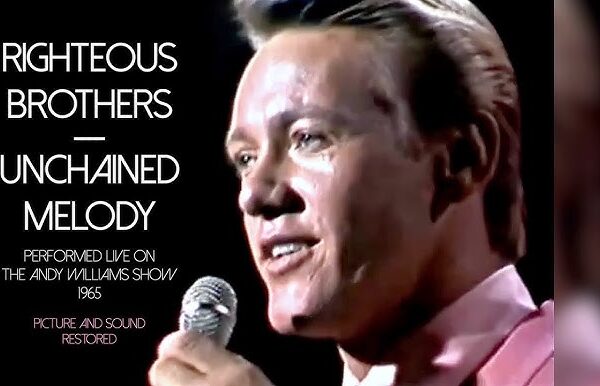
Despite the many interpretations, it was The Righteous Brothers’ 1965 rendition that truly solidified Unchained Melody as a timeless classic.
Produced by legendary music producer Phil Spector, the song featured Bobby Hatfield’s soaring vocals, which delivered unmatched emotional intensity.
Hatfield’s performance is often praised for the way he effortlessly transitions from tender, intimate phrases to powerful, high-pitched climaxes that convey longing and heartbreak.
The recording’s lush orchestration and careful arrangement complemented the vocal performance, creating a version that has become synonymous with romantic balladry.
Over the years, this rendition has been featured in countless films, commercials, and television programs, most famously in the 1990 film Ghost, introducing it to an entirely new generation and further cementing its status as a cultural touchstone.
The enduring appeal of Unchained Melody lies in its universal emotional resonance.
The song’s melodic structure, combined with Zaret’s evocative lyrics, allows listeners to feel the intensity of love, loss, and yearning in every note.
Fans often describe visceral reactions to the song, particularly when Hatfield hits the high notes that soar above the instrumentation.
One viewer commented on a video of the Righteous Brothers’ version, which has amassed over 76 million views:
“I swear I can feel the chills going up and down my back when he hits those high notes.
I feel like crying knowing this amazing man is gone.”
Such reactions illustrate how the song continues to inspire and move audiences more than half a century after its release.
Elvis Presley also played a significant role in the song’s lasting legacy.
During his later career, Elvis incorporated Unchained Melody into his live performances, showcasing his ability to convey deep emotion through vocal nuance and stage presence.

His interpretations were noted for their dramatic intensity, blending vulnerability with raw power, and giving the song a new dimension.
While he did not release a studio version of the song, his live renditions were widely circulated through recordings and broadcasts, ensuring that his influence on the song endured.
By interpreting the ballad in his distinctive style, Elvis helped keep Unchained Melody in public consciousness, introducing it to fans who might not have been familiar with The Righteous Brothers’ version.
Beyond these iconic versions, Unchained Melody has inspired a vast number of covers, including renditions by artists such as LeAnn Rimes, Il Divo, and Gareth Gates.
Each version emphasizes different aspects of the song—from classical arrangements to modern pop interpretations—demonstrating the song’s flexibility and timeless quality.
Its lyrical themes of love, longing, and hope are universally relatable, which explains why it continues to appear in weddings, memorials, and public performances around the world.
In addition to its musical impact, the song’s story reflects the evolution of popular music over the decades.
From a film score ballad in the 1950s to a chart-topping single in the 1960s and a cinematic centerpiece in the 1990s, Unchained Melody demonstrates how music can transcend context and retain relevance.
Its emotional depth, combined with memorable melodies and vocal performances, allows it to connect with listeners of all ages, regardless of background or culture.
Decades after its creation, Unchained Melody remains a defining piece of musical history, proving that great music endures when it speaks to the heart.
Its legacy is not only in its melody or lyrics but in the emotions it evokes—love, longing, hope, and nostalgia.
The song reminds us that music is more than entertainment; it is a universal language capable of connecting people across generations, cultures, and time itself.
The continued admiration for both The Righteous Brothers’ recording and Elvis Presley’s live performances confirms the song’s place as one of the most cherished ballads ever recorded, a true testament to the power of song to move the human spirit.
Written by composer Alex North and lyricist Hy Zaret in 1955, Unchained Melody has become one of the most celebrated and enduring songs in modern music history.
Originally written for the film Unchained, the song was intended to convey deep longing, loneliness, and romantic yearning—themes that have helped it resonate with audiences across generations and cultures.
Todd Duncan, a classically trained African-American baritone, performed the original version in the movie, lending it a solemn, heartfelt tone that reflected the song’s emotional core.
Over the decades, Unchained Melody has been covered by more than 670 artists worldwide, in dozens of languages, making it one of the most recorded songs of the 20th century.
Its adaptability has allowed it to bridge musical genres, from classical and jazz to pop and rock.
Despite the many interpretations, it was The Righteous Brothers’ 1965 rendition that truly solidified Unchained Melody as a timeless classic.
Produced by legendary music producer Phil Spector, the song featured Bobby Hatfield’s soaring vocals, which delivered unmatched emotional intensity.
Hatfield’s performance is often praised for the way he effortlessly transitions from tender, intimate phrases to powerful, high-pitched climaxes that convey longing and heartbreak.
The recording’s lush orchestration and careful arrangement complemented the vocal performance, creating a version that has become synonymous with romantic balladry.
Over the years, this rendition has been featured in countless films, commercials, and television programs, most famously in the 1990 film Ghost, introducing it to an entirely new generation and further cementing its status as a cultural touchstone.
The enduring appeal of Unchained Melody lies in its universal emotional resonance.
The song’s melodic structure, combined with Zaret’s evocative lyrics, allows listeners to feel the intensity of love, loss, and yearning in every note.
Fans often describe visceral reactions to the song, particularly when Hatfield hits the high notes that soar above the instrumentation.
One viewer commented on a video of the Righteous Brothers’ version, which has amassed over 76 million views:
“I swear I can feel the chills going up and down my back when he hits those high notes.
I feel like crying knowing this amazing man is gone.”
Such reactions illustrate how the song continues to inspire and move audiences more than half a century after its release.
Elvis Presley also played a significant role in the song’s lasting legacy.
During his later career, Elvis incorporated Unchained Melody into his live performances, showcasing his ability to convey deep emotion through vocal nuance and stage presence.
His interpretations were noted for their dramatic intensity, blending vulnerability with raw power, and giving the song a new dimension.
While he did not release a studio version of the song, his live renditions were widely circulated through recordings and broadcasts, ensuring that his influence on the song endured.
By interpreting the ballad in his distinctive style, Elvis helped keep Unchained Melody in public consciousness, introducing it to fans who might not have been familiar with The Righteous Brothers’ version.
Beyond these iconic versions, Unchained Melody has inspired a vast number of covers, including renditions by artists such as LeAnn Rimes, Il Divo, and Gareth Gates.
Each version emphasizes different aspects of the song—from classical arrangements to modern pop interpretations—demonstrating the song’s flexibility and timeless quality.
Its lyrical themes of love, longing, and hope are universally relatable, which explains why it continues to appear in weddings, memorials, and public performances around the world.
In addition to its musical impact, the song’s story reflects the evolution of popular music over the decades.
From a film score ballad in the 1950s to a chart-topping single in the 1960s and a cinematic centerpiece in the 1990s, Unchained Melody demonstrates how music can transcend context and retain relevance.
Its emotional depth, combined with memorable melodies and vocal performances, allows it to connect with listeners of all ages, regardless of background or culture.
Decades after its creation, Unchained Melody remains a defining piece of musical history, proving that great music endures when it speaks to the heart.
Its legacy is not only in its melody or lyrics but in the emotions it evokes—love, longing, hope, and nostalgia.
The song reminds us that music is more than entertainment; it is a universal language capable of connecting people across generations, cultures, and time itself.
The continued admiration for both The Righteous Brothers’ recording and Elvis Presley’s live performances confirms the song’s place as one of the most cherished ballads ever recorded, a true testament to the power of song to move the human spirit.