
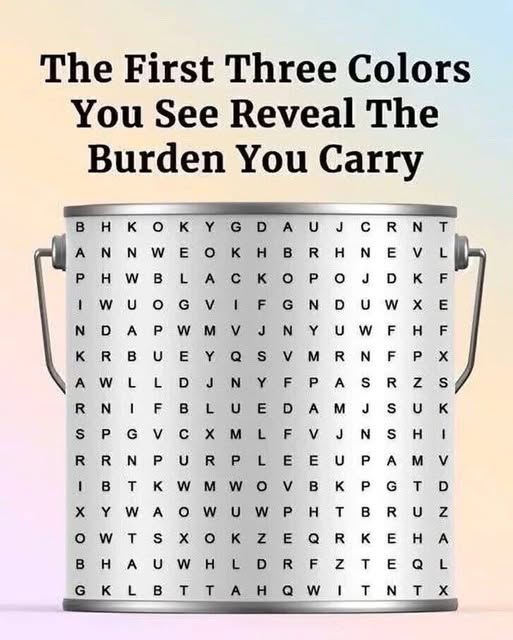
Colors have a powerful ability to communicate long before we speak. Without using a single word, they can spark emotions, evoke memories, and shape our moods. In many ways, color acts as a quiet universal language that reaches us on a deeper level. Although people often think of color as a matter of simple preference—liking blue, avoiding yellow, favoring red—our choices frequently reflect what is happening within us. These subtle responses can offer clues about our emotional state, personal needs, and the environments in which we feel most comfortable.
Different colors tend to create different impressions. Red, for example, is associated with boldness, energy, and determination. It can inspire confidence and motivation, which is why many people are drawn to it when they want a boost of enthusiasm. At the same time, frequent attraction to red may suggest a need for stimulation or a desire to feel more empowered. Blue works in almost the opposite way. It is widely connected to calmness, clarity, and trust. Many people choose blue when seeking peace or moments of quiet reflection. However, gravitating toward blue might also express a wish for emotional balance or a sense of stability during stressful times. Purple adds another layer of meaning, often symbolizing creativity, introspection, and transformation. People may feel drawn to purple during periods of personal growth or when navigating important life transitions.
Our brains react instantly to color, and this influence goes beyond personal taste. Lightness, darkness, and saturation all play a role in shaping how we feel. Even cultural backgrounds add depth to these interpretations. A color considered joyful in one region may represent mourning in another, reminding us that color meanings are both personal and collective. This is why the shades we choose for our clothing, homes, and workspaces matter. Soft greens might create a sense of balance, deep blues may encourage focus, and warm oranges can inspire comfort. These choices can shift throughout our lives, especially during significant changes such as moving to a new place, starting a new job, or entering a new chapter.
Interestingly, the colors we avoid can also reveal something meaningful. Steering clear of bright shades might indicate a desire for simplicity or calm, while avoiding pale tones could reflect a need for grounding or emotional warmth. Whether we embrace certain hues or distance ourselves from them, color remains a subtle guide that helps us understand our inner landscape. The next time you find yourself drawn to a particular shade—perhaps while choosing an outfit, decorating a room, or admiring something in nature—take a moment to notice what it brings out in you. Color often expresses emotions long before we are fully aware of them, offering gentle insight into how we feel and what we need.