
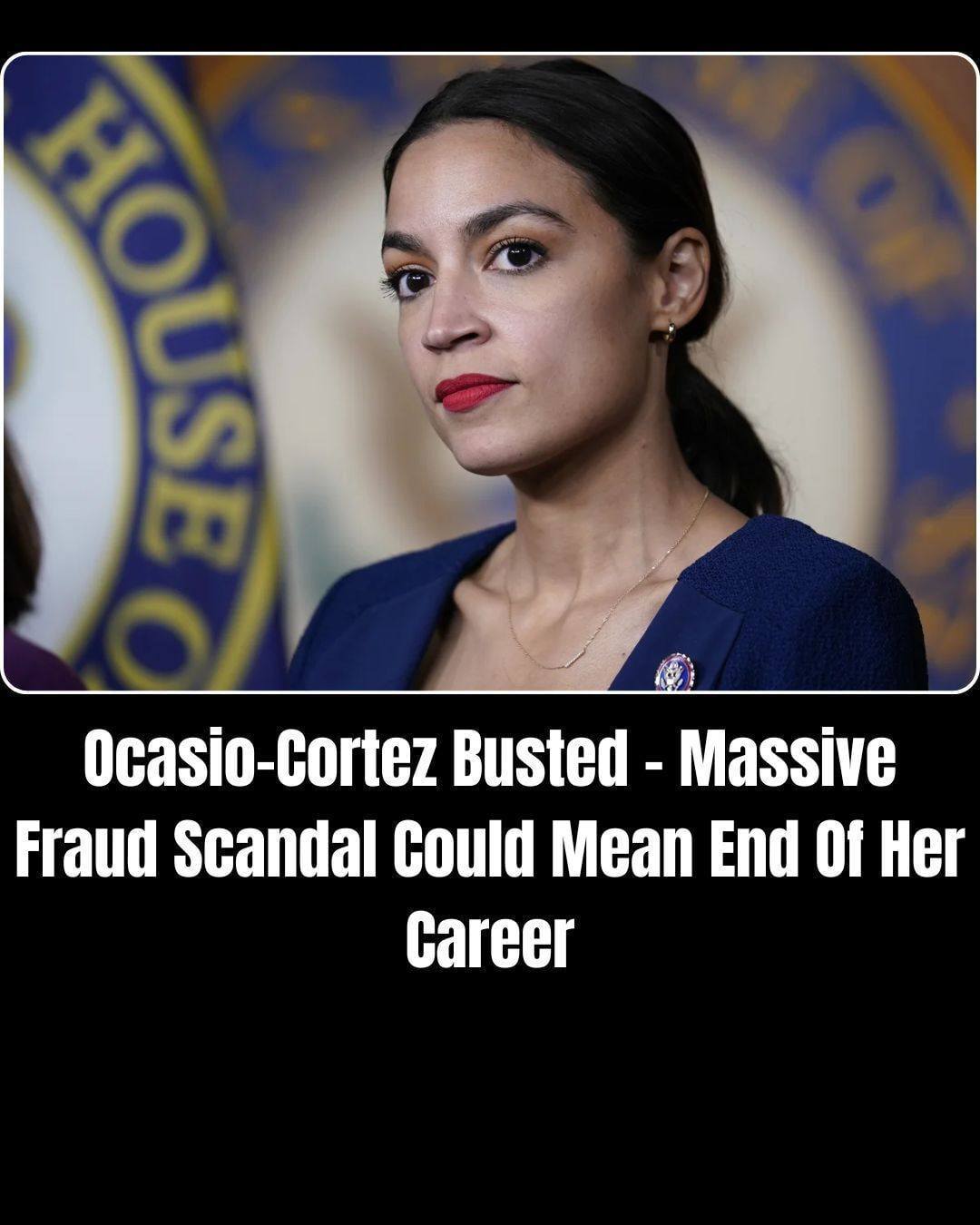
The emotional whiplash experienced by donors in this situation is especially harsh because it targets a point of vulnerability and trust. Many supporters genuinely believed they were stepping in to help vulnerable New Yorkers facing food insecurity around Thanksgiving, intending for their contributions to prevent empty pantries during a season meant for generosity. Instead, finding their donations routed to an ActBlue contribution page clearly marked as being paid for by Alexandria Ocasio-Cortez for Congress created a profound sense of betrayal. This suggested that the emotional appeal had not matched the true destination of the funds.
The Shock of Familiarity and Misdirection
The history of previous appeals is critical to understanding the depth of donor shock. In past years, the messages from the Congresswoman’s office linked directly to verifiable charities that served people in need. This history built a pattern of consistency that encouraged donors to trust the outreach. When past giving experiences supported actual food programs, supporters felt affirmed in their generosity.
This year, the same style of messaging was used, employing the same emotional cues. Because of that familiarity, many donors reasonably assumed the money would once more be directed to legitimate nonprofit work. The discovery that this familiarity may have been used to redirect giving toward campaign coffers created a shock that many people were not prepared to navigate.
The Legal Question and the Ethical Crisis
While questions about the legality will rest with the Federal Election Commission (FEC), the ethical issue stands on its own. The FEC is tasked with examining records, reviewing intent, and judging whether any rules were breached regarding campaign fundraising and disclaimers. According to FEC guidelines, campaign solicitations must include a clear and conspicuous notice stating they were authorized and paid for by the campaign.
However, turning a Thanksgiving-themed charitable appeal into something that functions like a political fundraising hook creates a sense of contamination. It makes people worry that every heartfelt request might hide a political motive. This blurring of lines harms nonprofits that rely on seasonal giving, as they will then have to work twice as hard to convince the public that their appeals are sincere. Holiday generosity depends on trust, and once that trust is shaken, every honest charity feels the consequences.
The Consequences of Blurry Lines
The concern reaches beyond a single politician or campaign. When public figures mix charitable language with campaign structures, they blur lines that ought to stay clear. People who want to help their neighbors should not be forced to scrutinize every sentence to ensure their kindness is not being turned into political currency. Once confusion enters the picture, hesitation often follows, potentially leading some donors to stop giving altogether rather than risk being misled again.
The remedy is twofold and emphasizes transparency:
-
Donor Protection: Donors can protect themselves by giving directly to reputable, well-known organizations by visiting the charity’s own website or using independently verified platforms. This removes any political intermediary.
-
Regulatory Action: Regulators should thoroughly investigate any public figure who uses the language of compassion to generate campaign money during a season when people are trying to think of others. When transparency returns, trust can follow, allowing honest nonprofits to continue their vital work.
This video from her official YouTube channel shows AOC Donates Over 1,000 Turkeys to NY-14, which illustrates her history of community engagement and food donation efforts.