
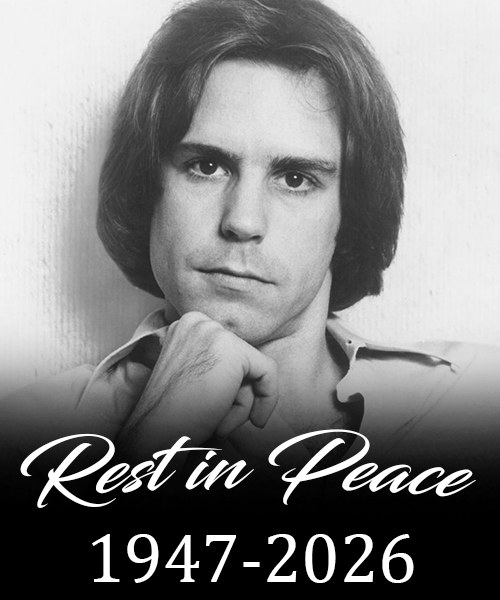
Bob Weir, the guitarist, vocalist, and founding force behind the Grateful Dead, has died peacefully at the age of 78, surrounded by loved ones, according to a statement shared on his official website and social media channels.
The announcement revealed that Weir had been diagnosed with cancer in July and underwent treatment with determination and resolve. While he successfully beat the disease, he later succumbed to complications related to underlying lung issues. His passing marks the end of a six-decade journey that reshaped live music, fan culture, and the idea that a band and its audience could grow old together.
For Bob Weir, the road never truly ended.
Even in recent years, his instinct was always to return to the stage. Just weeks after beginning cancer treatment, he appeared at Golden Gate Park in San Francisco, reuniting with surviving members of the Grateful Dead for concerts celebrating the band’s 60th anniversary. It was a familiar statement from a musician who believed that music, once started, should keep moving.
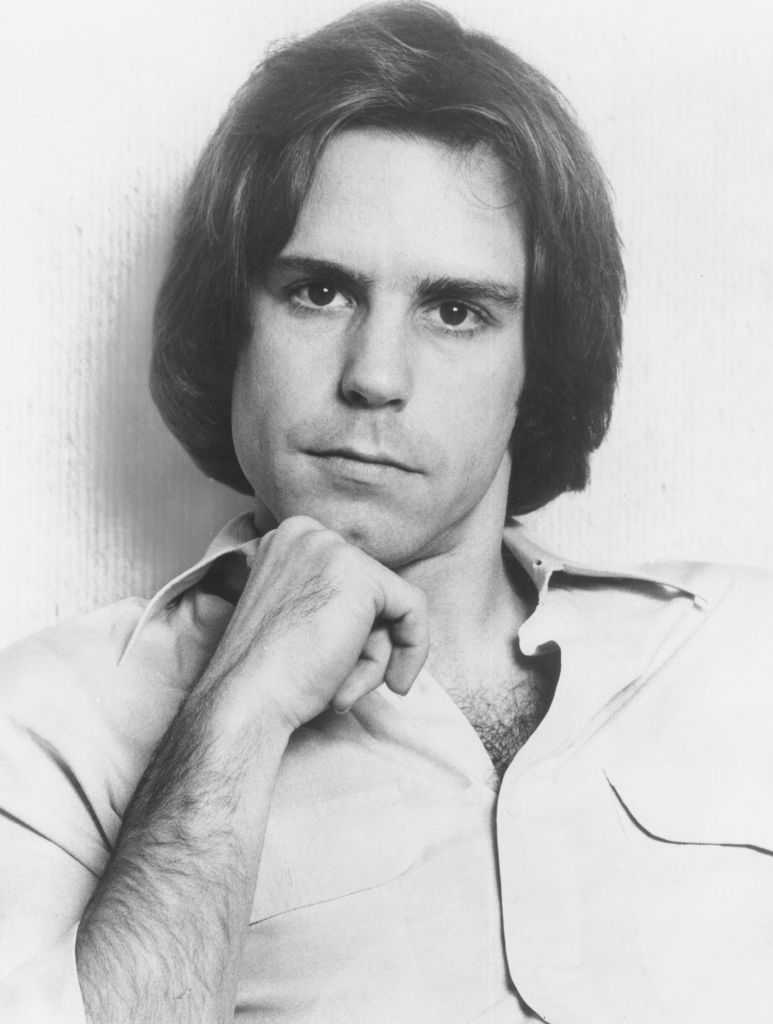
Weir was the youngest member of the Grateful Dead, joining as a teenager in the early 1960s after wandering into a Palo Alto music store and following the sound of a banjo. Inside, he met Jerry Garcia. They played through the night, and by morning, a bond had formed that would alter the course of American music. The group, first known as the Warlocks, soon became the Grateful Dead and emerged as a defining presence of the Haight-Ashbury scene, the Acid Tests, and a generation searching for meaning beyond convention.
Reflecting on those early experiments, Weir once said:
“With the Acid Test, we learned so much about living in each other’s heads, hearts, and bodies. Our concept of what constitutes music expanded greatly at that time.”
What followed was unlike anything rock music had seen. The Grateful Dead became legendary not for hit singles, but for the experience — endlessly evolving setlists, marathon improvisations, and performances that allowed songs to wander wherever the night led them. At the center of it all was Weir’s unmistakable rhythm guitar style: angular, unconventional, and deeply musical, providing structure without ever constraining exploration.
He co-wrote some of the band’s most enduring songs, including “Sugar Magnolia,” “Truckin’,” “Cassidy,” and “Throwing Stones.” His family later said his work did more than fill rooms with sound — it created a language and a sense of belonging that generations of fans carried with them.
Deadheads followed the band from city to city, recording shows, trading tapes, and forming a community that thrived well outside the mainstream. From Woodstock to massive performances like Englishtown, New Jersey in 1977, the Grateful Dead proved that music didn’t need formulas to endure — it needed honesty.
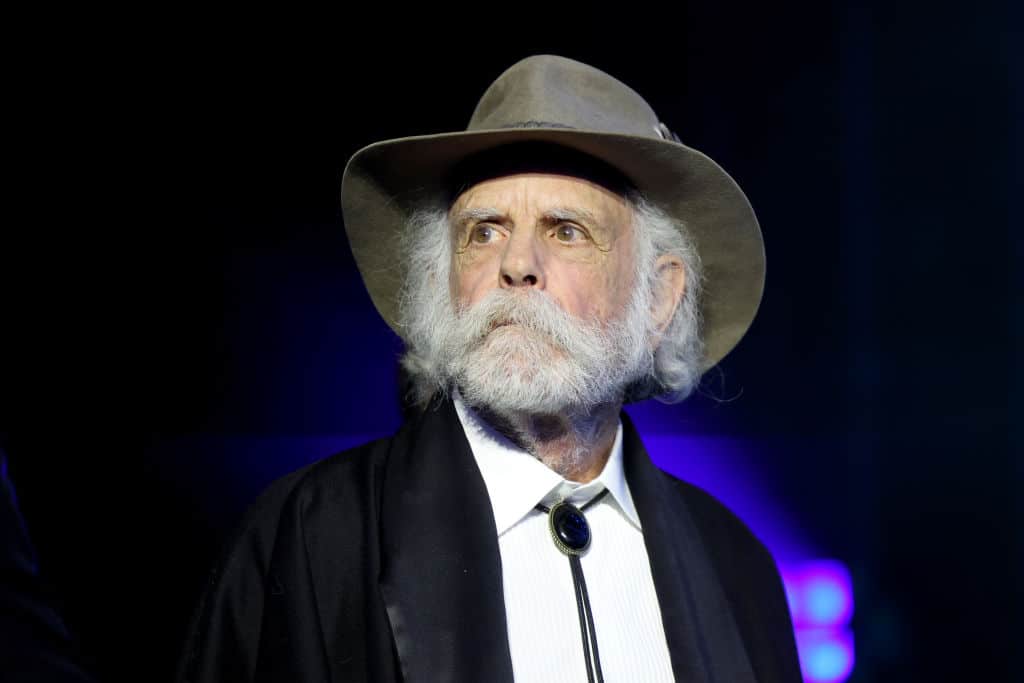
When Garcia died in 1995, many believed the Grateful Dead’s story had reached its final chapter. Weir never accepted that idea. Through later incarnations — including Dead & Company, where he partnered with John Mayer — he carried the music forward, welcoming new generations into a catalog that refused to fade. Their tours and residencies, including landmark runs in Las Vegas, became bridges between longtime Deadheads and first-time listeners.
Speaking about the fans who continued to find their way to the music, Weir once observed that they shared a common spirit — people who wanted adventure in their lives and in the sounds they followed.
Beyond the stage, he was known for his activism, his vegetarian lifestyle, and his belief that music could serve as a force for connection and compassion. He often imagined the Grateful Dead’s songs living on for centuries, carried forward not by nostalgia, but by relevance.
His family echoed that sentiment in their farewell, writing that his departure was not an ending, but a blessing — a reward for a life fully lived.
Bob Weir is survived by his wife, Natascha Münter, and his daughters, Monet and Chloe, who have requested privacy.
For six decades, he helped millions find that rare space where the audience and the music meet — what he once called “that hole in the sky.” Now, he’s gone through it first.
And the music rolls on. 🌹