
A key flashpoint in the current wave of controversy was the shooting death of a woman identified as 37‑year‑old Renee Nicole Good. Good, a mother of three, was killed by an ICE officer during a federal operation in Minneapolis on January 7, 2026.
Video footage of the incident spread widely, prompting nationwide attention, protests, and strong reactions from elected officials and civil rights groups.
According to various news reports and public statements, the incident occurred when Good’s vehicle was stopped in a residential neighborhood during an ICE enforcement action.
The crowd and local residents quickly gathered at the scene. Good was shot and killed by a federal agent, an event that was captured on bystander video and later verified by journalists and human rights monitors.
ICE and the Department of Homeland Security asserted that the officer fired in self‑defense, claiming that Good’s vehicle posed a threat to the safety of the agent and others on scene.
DHS officials said the officer believed the vehicle was being used as a weapon. Federal authorities have publicly defended the agent’s actions, a position that has drawn strong criticism from local leaders, civil rights advocates, and community groups.
By contrast, local officials and human rights organizations reviewing the available video have disputed some aspects of the federal narrative, saying that the footage does not clearly show the vehicle being used as a weapon and raising questions about the justification for the use of deadly force.
These conflicting interpretations have heightened tensions and deepened public scrutiny of ICE enforcement methods.
The shooting of Good quickly became a focal point for protest movements in Minneapolis and beyond. Vigils, large crowds, and ongoing demonstrations took place in the days after the incident, with activists and residents calling for transparency, accountability, and changes to federal immigration enforcement policy.
Nationwide Reactions and Political Backlash
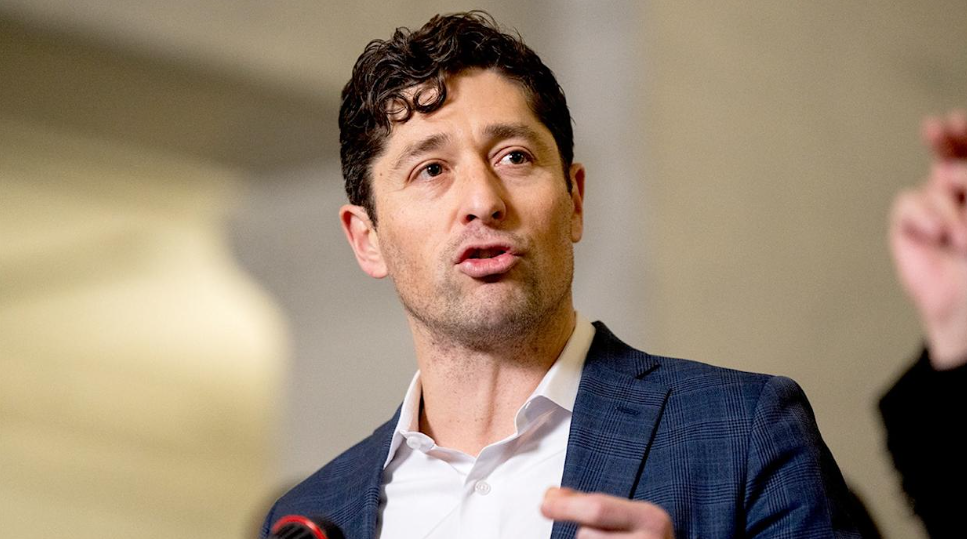
The killing of Renee Nicole Good has triggered reactions at local, state, and national levels. Minnesota political leaders, including the governor and city officials, have demanded independent investigations and greater oversight of federal law enforcement operations in the state.
Some have filed legal actions against the Department of Homeland Security, seeking to limit or end the deployment of ICE agents in Minnesota altogether.
Meanwhile, the U.S. Department of Justice has stated that there is currently no basis for a federal criminal civil rights investigation into the shooting, a decision that has drawn criticism from civil rights advocates and legal observers who argue for greater scrutiny of the use of force.
The Good family has also taken legal steps, including retaining a high‑profile civil rights law firm with experience in prominent wrongful death cases, to pursue their own investigation into the circumstances of her death.
This move underscores the deep public interest and legal complexity surrounding the incident.
Viral Video: Woman Allegedly Dragged from Her Car
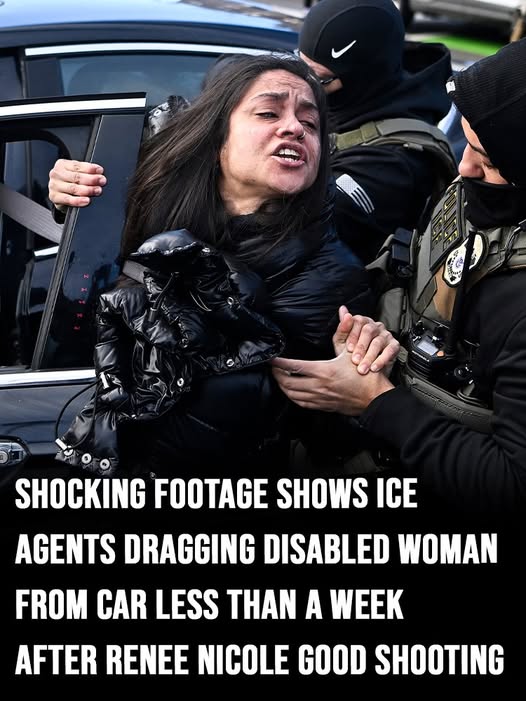
Amid ongoing protests and heightened tensions, a new video has circulated widely on social media showing a separate incident involving federal agents and a woman in Minneapolis on January 13, 2026 — just days after the fatal shooting of Renee Good.
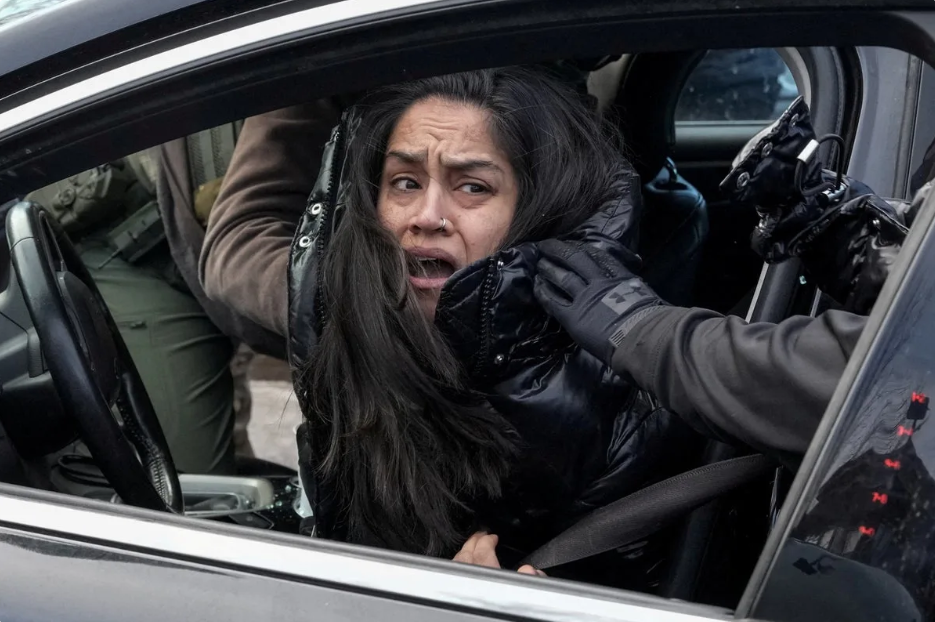
In this viral clip, several federal agents, reportedly ICE officers, are seen interacting with a woman inside her vehicle on a city street.
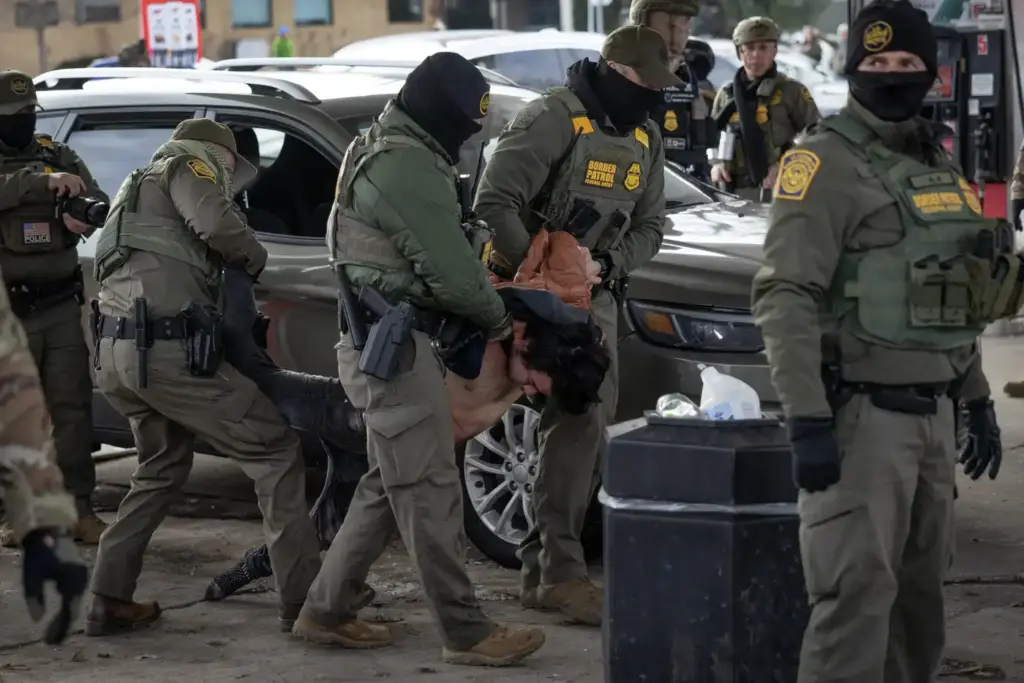
The footage shows multiple agents in tactical gear approaching the woman’s car as she attempts to drive away during what appears to be an active protest or law enforcement confrontation.
Two of the agents reach into the driver’s side area, and one agent is seen opening the car door and dragging the woman out of the vehicle and onto the ground.
In the video, the woman is heard shouting that she is disabled and explaining that she was attempting to go to a medical appointment — asserting that she could not move quickly due to her disability.
She identifies herself as autistic and says she was trying to get to a doctor when the encounter occurred.
Bystanders gathered around the scene react with visible distress and vocal objections. One onlooker is heard asking agents “where is your humanity?” and others express shock and concern about the way the situation is being handled.
Some reports note that the woman’s vehicle was positioned in a way that may have impeded agents, and there is speculation in certain outlets that she may have been trying to wedge the vehicle between cars engaged in the wider protest scene.
However, this specific detail is not clearly visible in the widely shared clip, and it has not been independently verified from available footage alone.
Public Response on the Street
The segment of street where the woman was pulled from her vehicle is near where protesters have gathered following previous clashes between ICE and community members.
Tear gas, pepper balls, and other crowd‑control measures have reportedly been used during these confrontations, contributing to the chaotic atmosphere in the area at times.
Pedestrians and demonstrators have actively voiced their anger and frustration at both ICE agents and what they view as aggressive law enforcement tactics.
The interaction between masked agents and civilians has thus become a focal point for heated debate online and in local media.
The viral footage of the woman being dragged from her car came just days after the killing of Renee Nicole Good, further intensifying scrutiny of ICE and the Trump administration’s enforcement practices. Lawmakers at both state and federal levels reacted strongly.
Minnesota’s Democratic leadership expressed shock and condemnation, emphasizing that residents’ civil rights must be respected even amid federal enforcement operations.
Several officials called for independent investigations into both the shooting and subsequent incidents, arguing that public trust in federal agencies is at stake.
On the other hand, some members of the Trump administration defended ICE’s actions, stating that the agents were performing lawful enforcement duties in a challenging and high-tension environment.
DHS officials highlighted that large-scale operations like these often involve crowded urban areas, protestors, and civilians, making law enforcement work complex and unpredictable.
They emphasized that agents receive extensive training in both enforcement protocols and the handling of vulnerable individuals, including those with disabilities, while arguing that officers must also prioritize their own safety.
Despite these defenses, critics assert that the repeated presence of heavily armed ICE agents in residential neighborhoods, combined with aggressive tactics captured on video, raises serious questions about proportionality and accountability.
Civil rights groups and advocacy organizations have demanded clearer oversight, independent reviews, and stricter rules of engagement, arguing that the footage shows treatment inconsistent with best practices for law enforcement interactions with disabled or vulnerable individuals.
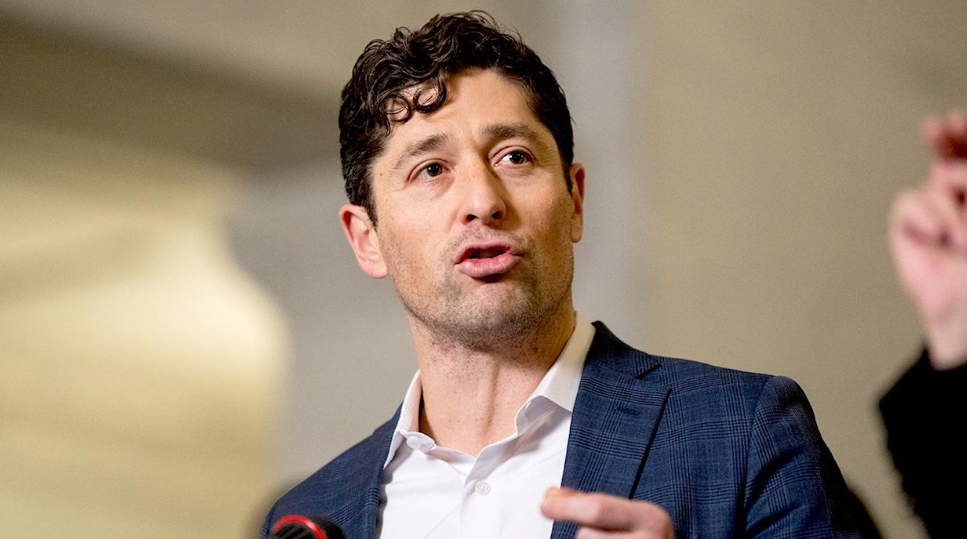
Legal Considerations and Investigations
The legal implications of these encounters are complex. The shooting of Renee Good is currently under investigation by multiple agencies, including local law enforcement and the state Bureau of Criminal Apprehension, as well as federal oversight bodies.
Good’s family has pursued civil litigation to seek accountability for her death, while ICE and DHS maintain that the actions taken were within the scope of federal law and justified under the circumstances.
Similarly, the case of the woman allegedly dragged from her car raises questions about the rights of disabled individuals during law enforcement operations. Advocates point out that federal agencies must accommodate disabilities under civil rights statutes, such as the Americans with Disabilities Act, while still carrying out enforcement duties.
The footage, widely shared on social media platforms, has fueled calls for clearer protocols to protect vulnerable populations during immigration enforcement operations.
Legal experts emphasize that the intersection of federal authority, local civil rights, and community safety creates a highly sensitive legal environment that must balance public safety, agency mandates, and individual rights.
Community and Public Response
The Minneapolis–Saint Paul community has reacted with visible outrage. Protests, vigils, and demonstrations have taken place in multiple neighborhoods, particularly near the sites of the Renee Good shooting and subsequent ICE confrontations.
Residents have expressed concern not only about the use of force but also about the presence of federal agents in local areas, often without direct coordination with city or state authorities.
Footage from these protests shows residents chanting slogans, holding signs calling for accountability, and confronting agents with questions about their actions.
Pedestrians and local observers have criticized ICE for what they perceive as excessive aggression and a lack of empathy, echoing concerns highlighted in the viral video where a woman identifies herself as autistic and disabled.
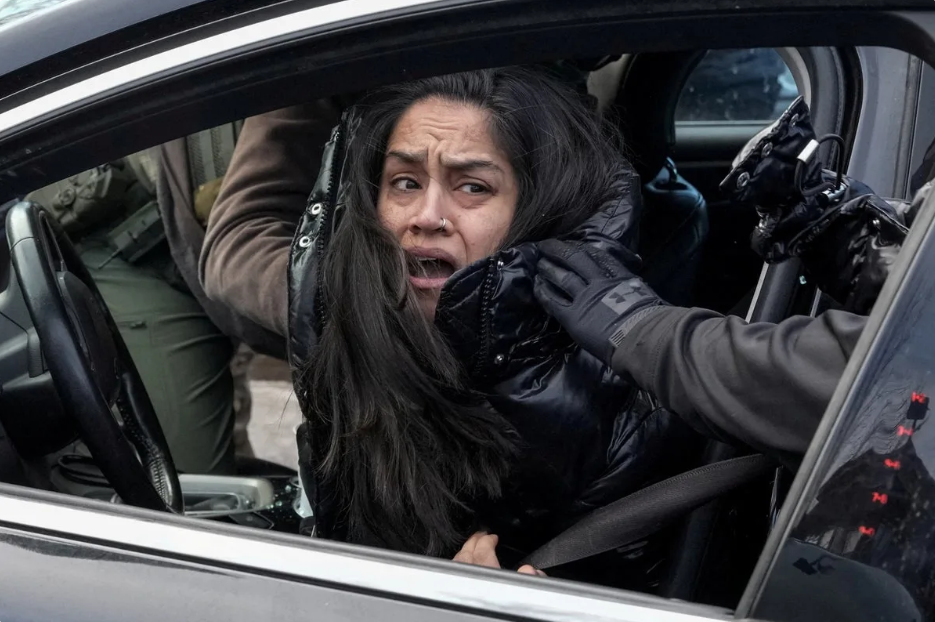
One bystander is heard asking, “Where is your humanity?” while another declares, “All you do is hurt.” These comments have circulated widely online, amplifying public attention to the situation.
Some media outlets have highlighted the broader implications of these incidents. Analysts note that the use of federal agents in local neighborhoods is politically sensitive, as it touches on debates over federalism, civil liberties, and the appropriate scope of immigration enforcement.
The Twin Cities, already familiar with national attention due to high-profile policing controversies, have become a symbolic battleground for these larger political debates.
National and Social Media Impact
The viral video has had a substantial impact nationally, sparking widespread commentary on social media. Clips showing the woman being pulled from her car have been shared hundreds of thousands of times across platforms such as Twitter, TikTok, and Facebook.
Online users have debated whether the actions of the ICE agents were justified or disproportionate, with hashtags supporting civil rights, disability awareness, and law enforcement accountability trending shortly after the video circulated.
Nationally, media outlets have framed the events in a variety of ways. Conservative commentators often emphasize the need for law enforcement to perform their duties safely, highlighting the challenges agents face during large-scale operations.
Liberal and progressive outlets focus on the human rights implications, particularly the treatment of disabled individuals and the use of force in urban neighborhoods.
This polarization in media coverage mirrors broader political divides, illustrating how single incidents can become flashpoints in national debates over governance, law enforcement, and civil liberties.
Public Discourse and Ethical Questions
Beyond politics and legality, the incidents have sparked broader ethical debates. How should law enforcement balance duty and humanity?
What measures should be in place to protect civilians, particularly those with disabilities, during federal enforcement operations? Observers argue that these questions are central to democratic governance and community trust.
Civil rights organizations stress that federal agencies must establish transparent, enforceable protocols that safeguard the rights of all individuals, including marginalized and vulnerable populations.
Advocates also encourage increased training on de-escalation, cultural sensitivity, and compliance with disability protections.
Meanwhile, local community leaders have called for greater dialogue between residents and federal authorities, urging collaboration to prevent similar incidents in the future.
Reflections on the Broader Implications
Taken together, the fatal shooting of Renee Nicole Good and the viral video of the woman being dragged highlight several pressing issues:
The scope and conduct of federal immigration enforcement in urban areas.
The potential for conflict between enforcement objectives and individual civil liberties.
The treatment of vulnerable populations during law enforcement operations.
The role of public perception, media coverage, and social media amplification in shaping national debates.
These incidents underscore the delicate balance between enforcing federal law and respecting human rights, a tension that continues to provoke strong reactions across communities, political organizations, and media outlets.
They also illustrate how quickly a single event can become a symbol of broader societal concerns, particularly in areas already sensitive to issues of civil rights and law enforcement accountability.
Conclusion
The events in Minneapolis–Saint Paul in early January 2026 have become emblematic of the complexities and controversies surrounding federal immigration enforcement.
The killing of Renee Nicole Good and the viral video of the woman being dragged from her car serve as reminders of the human consequences of law enforcement actions, especially when they intersect with communities, protests, and vulnerable populations.
As investigations continue, and as legal, political, and community responses evolve, these incidents are likely to remain at the forefront of discussions about federal authority, civil liberties, and the ethical use of force.
For residents of the Twin Cities, and for observers across the nation, the unfolding events have highlighted the importance of transparency, accountability, and careful oversight in law enforcement operations.
Ultimately, these developments illustrate the broader societal challenge of balancing security, law enforcement, and human rights — a challenge that continues to fuel public debate and shape national conversations in ways that will resonate long after the immediate events have passed.