
I didn’t walk into the shelter looking for hope. I walked in looking for something much quieter and much harder to admit: an ending I could choose. A goodbye with intention. The kind you accept ahead of time because carrying unused love feels worse than losing it.
When the volunteer gently explained that the dog I was asking about was part of their hospice program and likely had only weeks—maybe a couple of months—I nodded as if I understood the weight of that sentence. I didn’t. Not really. I thought I did. I told myself I was prepared. I wasn’t.
My husband, Daniel, and I had a life that looked complete from the outside. Stable jobs. A small house with neutral paint and tidy rooms. Weeknight dinners, weekend errands, polite smiles at neighbors. Nothing was broken in any obvious way. But inside the house, something essential had gone missing so gradually that we hadn’t noticed when silence stopped being temporary and started becoming permanent.
For years, we shared the same dream. Then we shared the same disappointments. At first, we talked through everything—appointments, calendars, optimism that felt almost mathematical. If we tried hard enough, long enough, it had to work. But hope can erode without making noise. One day you realize you haven’t said the word “someday” in months. Another day you notice the baby aisle has become invisible. Eventually, even grief gets quiet.
We filled the gaps the way people do when they’re afraid of empty space. Extra work hours. Cleaning things that were already clean. Watching shows without really watching them. Sitting across from each other at dinner and discussing logistics instead of feelings. We weren’t unhappy, exactly. We were hollow.
The night I suggested getting a dog, Daniel didn’t answer right away. He stared at his plate, then said he didn’t want chaos. Didn’t want barking or destruction or another thing that could leave. I said we could just look. Just one afternoon. No promises.
The shelter was overwhelming in the way shelters always are. Sound everywhere. Hope ricocheting off the walls. Dogs jumping, spinning, pressing their bodies against metal doors like joy might break through if they pushed hard enough. Daniel lingered near the entrance, already tense.
Daisy wasn’t like that.
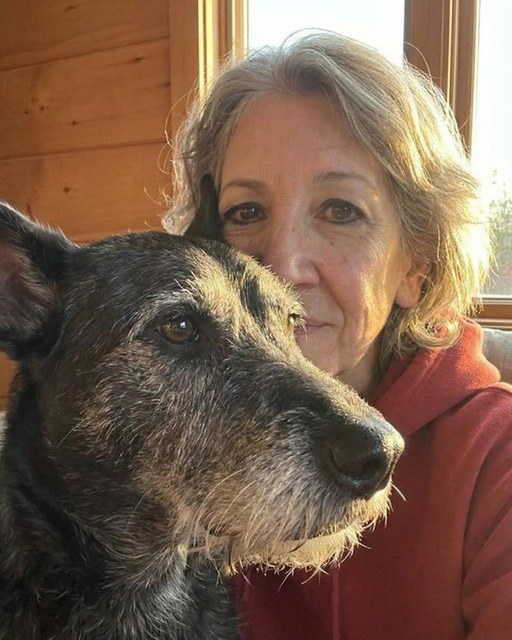
She was tucked into the far corner of the room, almost swallowed by shadow. Small. Thin. Motionless in a way that didn’t look peaceful so much as resigned. Her fur was patchy with age, her muzzle silver, her eyes deep and tired. When I crouched beside her kennel, she didn’t rush forward. She lifted her head slowly, studied me, then tapped her tail once against the floor. Then again. A careful decision.
The volunteer spoke softly, as if volume might startle her. Twelve years old. Chronic illness. Hospice-only adoption. They wanted her final days to be warm. Daniel shook his head immediately. “We can’t,” he said. “That’s too much.”
I didn’t argue. I just opened the kennel door and sat on the floor. Daisy leaned against my leg with a weight that felt deliberate, as if she was anchoring herself. I remember thinking how strange it was that something so fragile could feel so steady.
We took her home that day.
The transformation wasn’t dramatic. There were no sudden bursts of energy or comic moments. Daisy didn’t bark. She didn’t chase toys. She slept. She drank water slowly. She followed us from room to room like she wanted to be sure we were still there.
And somehow, that was enough.
Our days began to shift around her needs. Morning walks that were more like pauses. Quiet evenings on the couch with her curled between us. Daniel started getting up earlier to give her medication before work. I started talking to her while cooking, narrating nothing in particular. She listened with the seriousness of someone who knew time mattered.
The house felt different. Not louder. Warmer. The silence didn’t disappear, but it changed shape. It became shared instead of lonely.
Daniel surprised me most. He was the one who’d been afraid to bring her home, afraid of loss. Yet I caught him sitting on the floor with her more than once, forehead resting against hers, whispering things I couldn’t hear. I didn’t ask. Some conversations aren’t meant for witnesses.
As weeks passed, Daisy slowed. Her steps shortened. Her appetite faded. But she never stopped seeking us out. If one of us left the room, she followed. If we sat apart, she positioned herself between us, as if making sure no space went unused.
We talked more. Not about the future. Not about what never happened. About small things. About her. About us. About memories we hadn’t touched in years because they hurt too much to hold alone.
When the day came, it was gentle and brutal all at once. The vet came to the house. Daisy lay on her favorite blanket, her head in Daniel’s lap, my hand on her chest feeling the steady rise and fall that was about to stop. I thought I would fall apart. I thought grief would break something open that couldn’t be repaired.
Instead, when it was over, we held each other. For a long time. Not because Daisy was gone, but because she had been here.
The house was quiet again after. But it wasn’t empty.
Her bowls stayed on the floor for a while. Her blanket stayed on the couch. We didn’t rush to erase her. Love doesn’t disappear just because the body does.
We eventually adopted another dog. Not as a replacement. As a continuation. Our lives didn’t become perfect. Grief didn’t vanish. But the walls learned how to breathe again.
Daisy was never meant to stay long. She wasn’t brought into our lives to fix anything. And yet, in choosing to love something we knew we would lose, we remembered how to live with our hearts open.
She didn’t give us what we thought we were missing. She gave us back the parts of ourselves we’d quietly packed away.
And sometimes, that’s the miracle you don’t realize you’re asking for.