
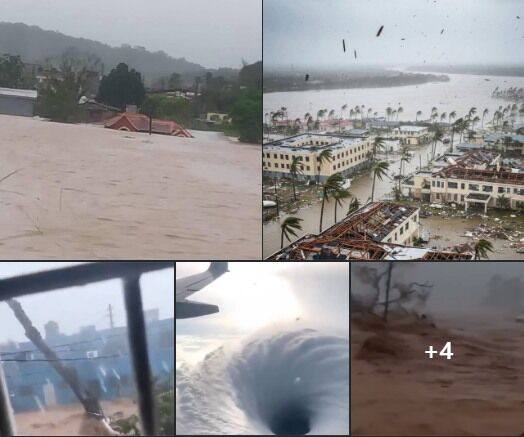
Hurricane Melissa remains a dangerous Category 3 storm as it moves north toward eastern Cuba, following catastrophic damage in Jamaica. With strong winds, heavy rain, and a wide reach, it ranks among the most powerful hurricanes in the region in recent years, prompting urgent warnings for residents across the Caribbean. Jamaica experienced the storm’s most severe impact. Violent winds tore roofs from homes, uprooted trees, and destroyed vulnerable structures, while torrential rainfall flooded roads and neighborhoods.
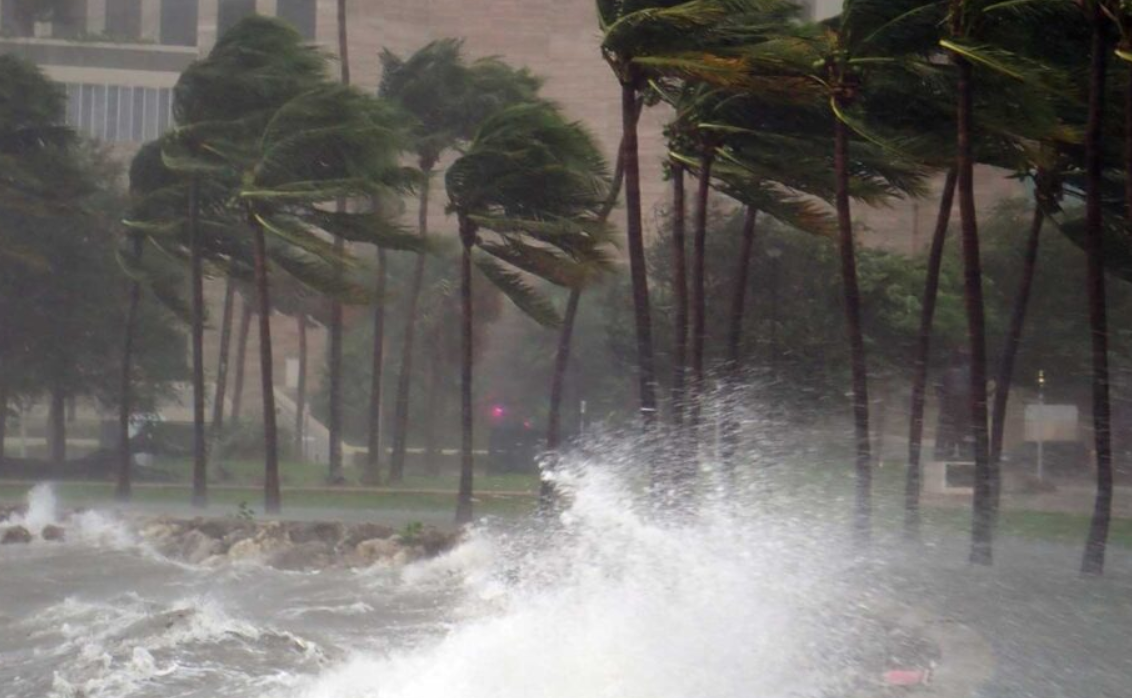
Emergency responders faced difficulties reaching isolated communities as conditions worsened. At least seven deaths have been reported across the region—three in Jamaica, three in Haiti, and one in the Dominican Republic—though authorities caution the toll may rise as assessments continue. The government has declared a national disaster, with over 500,000 residents without electricity, leaving hospitals and water systems reliant on generators.
Cuba is now preparing for the hurricane’s arrival. More than 735,000 people have been evacuated from coastal and flood-prone areas. Officials warn of winds up to 120 mph, rainfall as high as 25 inches, and storm surges reaching 12 feet, threatening homes, infrastructure, and agriculture. Haiti and the Dominican Republic have already seen severe flooding and landslides caused by the storm’s outer bands, with fragile infrastructure and urban flooding complicating recovery efforts.
Authorities urge residents to follow evacuation orders, rely on verified updates, and avoid returning too soon. Meteorologists caution that prolonged rainfall, downed power lines, and contaminated water may create hazards even after the storm passes. Recovery will take time and require regional and international support as communities work to restore safety, utilities, and normal life.